10 Shipping Container Buying Tips for Global Buyers
Buying a shipping container is not merely a price comparison. It is a practical decision about condition, dimensions, certification, delivery, and future use. A low quote can become expensive after inspection, inland transport, repairs, or storage fees.
UNCTAD’s Review of Maritime Transport 2024 reports that global seaborne trade grew by 2.4% in 2023. Containerized cargo remains central to manufactured-goods distribution. The report also highlights continuing uncertainty around freight routes, capacity, and supply-chain resilience. That uncertainty affects availability and pricing in nearly every major buying market.
“There is no such thing as a normal year in container shipping,” says Lars Jensen, CEO of Vespucci Maritime. His observation is useful for global buyers. Prices can change quickly. Equipment may also appear cheaper because it has heavier corrosion, damaged doors, or an incomplete inspection history.
This guide presents ten shipping container buying tips for international purchasers. It examines container grades, common sizes, CSC plates, wind and watertight standards, seller verification, and transport planning. It also explains why photographs can mislead. A clean exterior may hide floor damage or interior odor.
Details matter.
Buyers should request recent inspection images, serial numbers, repair records, and a written condition description. They should also confirm local unloading requirements before payment. These steps sound basic, yet they are often missed during urgent purchases.
No checklist removes every risk. Even experienced buyers can overlook regional charges or delivery constraints. Careful comparison, independent inspection, and documented communication create a more reliable purchasing process.

Define Your Shipping Container Purpose and Required Specifications
Before comparing prices, define what the container must do. Will it carry general cargo, protect equipment, store tools, or support a temporary workspace? Each purpose changes the required size, door arrangement, ventilation, and floor strength. A 20-foot unit may suit dense cargo, while a 40-foot unit offers more volume. That extra space is not always useful. Measure the cargo, including pallets, lifting clearance, and access around each item. Leave room for safe loading and airflow.
Write the specifications before contacting suppliers. Record external dimensions, internal height, payload, door width, and preferred condition. Ask whether the unit is wind-and-watertight, cargo-worthy, or intended only for storage. These descriptions are not interchangeable. Inspect the roof, corner posts, door seals, floor, and locking bars. Photographs help, but they cannot reveal every leak, odor, or warped panel. An independent inspection may cost more initially. It can prevent expensive surprises later.
For international transport, verify the safety plate, inspection status, and documents required at origin and destination. Confirm payload limits with the carrier, because usable capacity depends on cargo weight and securing methods. Consider local roads, cranes, unloading space, and seasonal weather. I once underestimated door clearance on a crowded loading site. That small error delayed handling. Recheck every measurement. A two-centimeter clearance can decide whether loading succeeds.
10 Shipping Container Buying Tips for Global Buyers
Define Your Shipping Container Purpose and Required Specifications
Container selection should match the cargo type, loading method, temperature requirements, and available volume. The chart compares typical internal volumes for widely used ISO container types to help buyers choose an appropriate specification.
Standard dimensions vary slightly by manufacturer and construction, so confirm the certified internal dimensions, maximum payload, door opening, and floor condition before purchase.
Choose the Right Container Type, Size, and Condition
Choosing the right shipping container begins with its intended use, cargo dimensions, and route.
A standard dry container suits boxed goods, while a high-cube model offers extra height. Open-top units help with tall cargo, but they may need weather protection. Measure twice. Internal dimensions matter more than external labels.
Check length, width, height, payload, door clearance, and floor strength before ordering.
Leave space for loading equipment and secure packing. A 20-foot container may be more practical than a 40-foot unit when cargo volume is limited. Unused space increases transport costs and can allow movement inside. That matters.
Condition requires careful judgment.
Inspect the roof, corner posts, locking bars, doors, seals, and floorboards. Look for fresh paint hiding corrosion or repairs. A clean appearance can mislead. Ask for recent inspection photos, repair records, and a valid safety plate. An independent inspection is worthwhile, especially for remote purchases. I have seen buyers focus on price and overlook door alignment, causing delays at delivery. Minor dents may be acceptable, but structural damage should not be treated casually. Clarify whether the unit is cargo-worthy, wind-and-watertight, or intended only for storage. These descriptions are not interchangeable. Confirm dimensions, condition, delivery access, and documentation in writing before payment.
Arrange Secure Transport, Delivery, and Final Acceptance
A safe container purchase depends on more than price and condition. Before loading, confirm the container number, dimensions, weight, pickup address, and delivery window in writing. Ask the carrier for a route plan and proof of cargo insurance. Check bridge limits, port requirements, and local unloading restrictions before dispatch. Small errors here can cause storage fees or missed appointments.
Use corner protectors, suitable lashing, and a weather-resistant seal during transport. Photograph all sides, doors, locking bars, the roof, and the floor before departure. Share these images with the buyer and carrier. At delivery, inspect the truck’s condition and confirm that the seal number matches the shipping documents. Keep the container on level ground during unloading. A qualified operator should use equipment rated for its actual weight.
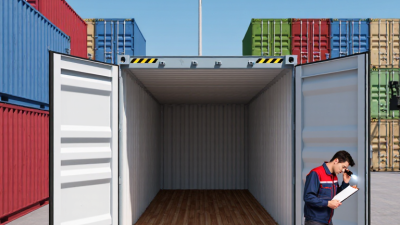
Final acceptance should follow a written checklist, not a quick glance. Open both doors, test the locks, inspect welds, and look for light entering through the panels. Record dents, corrosion, water marks, and missing parts immediately. Sign only after the delivery note includes clear exceptions. Our checklist is never perfect. A small roof leak once escaped attention because the inspection happened under bright sunlight. Rechecking after rain would have been wiser. Retain photographs, inspection notes, and signed documents until the agreed warranty period ends.