
What Are the 2026 Top Shipping Cargo Containers?

What are the 2026 top shipping cargo containers, and why do some outperform others? The answer depends on cargo type, route, weather, handling equipment, and delivery requirements. A standard 20-foot or 40-foot dry container remains a practical choice for boxed goods, machinery, and packaged materials. It offers broad availability, predictable loading procedures, and efficient use of vessel space.

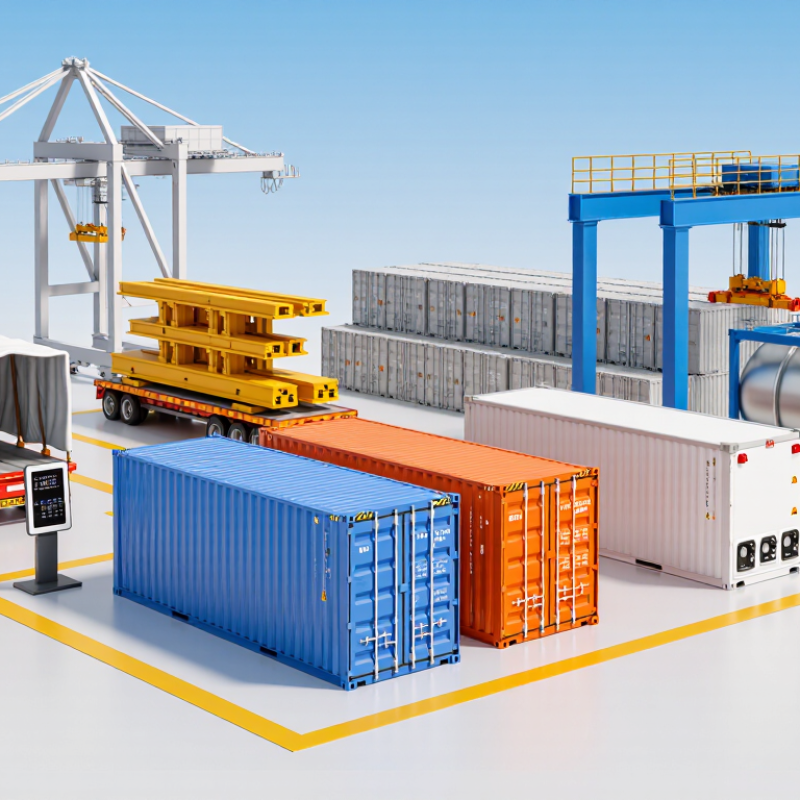
Refrigerated containers matter for temperature-sensitive products, especially when stable cooling and continuous monitoring are essential. Open-top containers can support tall machinery, while flat racks suit oversized equipment that cannot fit through standard doors. Tank containers serve approved liquid cargo under controlled operating requirements. They require careful inspection, compatible fittings, and trained handling teams.

In 2026, digital tracking, energy efficiency, corrosion resistance, and improved ventilation will influence buying decisions. However, technology alone does not guarantee better performance. A newer unit may still fail if seals are worn, flooring is damaged, or maintenance records are unclear. Small details matter.

Reliable selection begins with verified specifications and documented inspections. Industry experience also shows that container availability can change by port and season. A theoretically perfect option may be difficult to secure at the required location. This article compares leading container types through practical criteria, including capacity, protection, operating cost, and cargo suitability. It also questions common assumptions, because the “top” container is rarely universal. Route planning still matters.
What Are the 2026 Top Shipping Cargo Containers?

Container Types Commonly Used for Cargo Shipping in 2026

In 2026, dry van containers remain the standard choice for packaged cargo. They protect cartons, machinery, furniture, and palletized goods from weather and handling damage. Standard units suit general freight, while high-cube containers provide extra vertical space for bulky loads. That additional height can reduce packing pressure, but it also requires careful clearance checks.

Refrigerated containers carry temperature-sensitive products, including fresh food, pharmaceuticals, and certain chemicals approved for transport. Their cooling systems need continuous power and regular temperature monitoring. Open-top containers work well for tall cargo loaded by crane. Flat-rack containers support heavy machinery, vehicles, and oversized equipment that cannot fit inside enclosed walls. Loading plans must account for weight distribution and secure lashing.

Tank containers transport approved liquids and gases under controlled conditions. They require compatible materials, pressure checks, and documented cleaning procedures. Side-opening containers can simplify access when cargo needs frequent inspection or staged unloading. In practice, the best container depends on cargo dimensions, weight, sensitivity, route, and handling equipment. A container may look suitable but fail after a small measurement error. I have found that early photographs, accurate cargo drawings, and verified specifications prevent costly surprises. Container availability also changes by region, so a preferred type may not be immediately accessible.

What Are the 2026 Top Shipping Cargo Containers?

Common cargo container types are selected according to cargo volume, temperature requirements, loading access, and cargo dimensions. The chart compares their approximate internal volume in cubic meters.

Values are approximate typical internal volumes based on commonly used ISO container specifications. Actual dimensions vary by container design, manufacturer, and operating requirements.

Key Features That Define Modern Shipping Cargo Containers

In 2026, the top shipping cargo containers are defined by practical performance, not appearance. Durable weathering steel remains important, but lighter composite panels are gaining attention. They can reduce tare weight and protect usable payload.

Strong corner posts, reinforced floors, and secure locking bars support repeated handling. Smooth interior walls also make cleaning and inspection easier.

Modern containers increasingly include digital tracking devices, temperature sensors, and impact alerts. These tools help operators identify delays, heat changes, or rough handling during transit. Ventilation systems reduce condensation inside the box. Insulated designs offer better control for temperature-sensitive cargo. Solar-assisted monitoring can extend battery life, although performance may drop in cloudy regions. That detail is easy to overlook.

Tips: Check the door seals, floor condition, corner castings, and locking mechanism before loading. Measure internal dimensions rather than trusting a general size label. Ask for recent inspection records when cargo value is high. A container can look clean yet hide floor moisture or small roof leaks. I have seen minor seal damage become serious after long exposure to rain. Digital features also need testing; an inactive sensor provides false confidence. Choose the container around the cargo’s weight, airflow, stacking needs, and route conditions, not only its purchase price.

How to Match Container Types With Different Cargo Needs

What Are the 2026 Top Shipping Cargo Containers?

How to Match Container Types With Different Cargo Needs

Container selection should follow cargo behavior, not habit. UNCTAD’s Review of Maritime Transport 2024 states that over 80% of global merchandise trade by volume moves by sea. That scale makes small mismatches expensive.

Standard dry containers suit boxed goods, machinery, furniture, and packaged materials. They offer enclosed protection and predictable handling. Choose a reefer container for seafood, produce, pharmaceuticals, or other temperature-sensitive cargo. Confirm the required temperature range, ventilation, and power continuity before loading. The FAO’s food loss studies repeatedly identify temperature control as a major cold-chain weakness. One failed setting can ruin an entire shipment.

Use open-top containers when cargo exceeds standard door height or needs crane loading. Flat racks fit heavy machinery, pipes, and oversized units, but lashing plans need engineering review. Tank containers support bulk liquids when the cargo, equipment, and route meet applicable safety standards. ISO 668 dimensions help maintain compatibility across ships, railways, and terminals.

Weight distribution deserves more attention. A dense machine may fit physically but exceed floor-load limits. Cargo should sit low, with weight spread across the base. I have seen loading plans look correct on paper, yet fail after a late packaging change. That is a useful warning. Recheck dimensions, center of gravity, moisture sensitivity, and handling points before sealing. UNCTAD’s container trade data also shows how quickly network disruptions can extend transit times, making buffer planning essential.

New Technologies Shaping Cargo Containers in 2026

What Are the 2026 Top Shipping Cargo Containers?

New technologies are reshaping cargo containers in 2026. Smart containers now use compact sensors to monitor temperature, humidity, vibration, and door activity. A dashboard can show whether goods faced dangerous heat during a long voyage. This helps logistics teams react before damage spreads.

Modular interiors are also gaining attention. Adjustable walls, folding rails, and removable platforms support different cargo sizes. Lightweight composite panels reduce container weight while preserving structural strength. Some designs include solar panels that power tracking devices and internal sensors. Energy use remains modest. Every watt still matters.

Digital locking systems provide tamper alerts and verified access records. They can improve accountability across ports, rail yards, and warehouses. Predictive software studies impact data and may identify damaged floors or weak corner fittings. However, technology is not flawless. Sensors can lose power, signals can disappear, and poor calibration can create false warnings. Human inspections remain necessary, especially after rough handling or severe weather. Recyclable materials are improving, but repair and end-of-life recovery are still uneven across regions. Practical container design must balance automation, durability, cost, and responsible material use.

What Are the 2026 Top Shipping Cargo Containers? - New Technologies Shaping Cargo Containers in 2026
Container Type Typical Internal Volume Typical Payload or Capacity Main Cargo Applications 2026 Technology Focus Key Operational Benefit
20-Foot General-Purpose Dry Container Approximately 33.2 m³ Up to about 28,000 kg payload; maximum gross mass commonly 30,480 kg under ISO-based specifications Palletized goods, machinery, packaged commodities and dense cargo Electronic seals, door-opening alerts, impact sensors and condition tracking High compatibility with intermodal rail, road and sea transport
40-Foot High-Cube Dry Container Approximately 76.4 m³ Up to about 28,000 kg payload; maximum gross mass commonly 30,480 kg under ISO-based specifications Lightweight, high-volume cargo, retail products, furniture and consumer goods Volume-optimization software, connected cargo monitoring and recyclable interior fittings Around 30 cm of additional height compared with a standard-height container
40-Foot High-Cube Refrigerated Container Approximately 67 m³, depending on insulation and configuration Common payload range of approximately 25,000–29,000 kg Fresh produce, frozen foods, pharmaceuticals and temperature-sensitive materials Low-emission refrigeration, remote temperature logging, predictive maintenance and real-time alerts Continuous temperature control across long multimodal routes
20-Foot Insulated or Refrigerated Container Approximately 28–30 m³ Common payload range of approximately 20,000–27,000 kg Temperature-sensitive cargo with relatively high weight density Energy-efficient compressors, battery-backed monitoring and improved insulation panels Better suitability for dense refrigerated cargo than larger units
Open-Top Container Approximately 32–65 m³, depending on length and height Payload commonly comparable to a dry container of the same size Scrap metal, timber, stone, industrial equipment and over-height cargo Adjustable roof systems, load-distribution sensors and digital lifting documentation Top loading and unloading for cargo that cannot pass through standard doors
Flat-Rack Container No enclosed internal volume; usable deck length is commonly about 5.6 m for 20-foot units and 11.7 m for 40-foot units Payload varies by design; heavy-duty units can support more than 30,000 kg Vehicles, construction equipment, industrial modules and oversized machinery Digital load plans, tie-down verification, strain monitoring and route-clearance analytics Supports cargo wider, taller or heavier than standard enclosed containers
ISO Tank Container Common liquid capacity of approximately 21,000–26,000 litres Capacity depends on liquid density, tank design and regulatory limits Food-grade liquids, chemicals, gases and other bulk liquids Valve-status sensing, pressure and temperature monitoring, digital inspection records Safer and more efficient multimodal transport than repeated bulk transfer
Collapsible or Specialized Project Container Varies by design; commonly based on 20-foot or 40-foot ISO footprints Determined by frame strength, cargo geometry and applicable road, rail and sea limits Renewable-energy components, modular structures, pipes and project cargo Foldable structures, digital twins, structural-health sensors and automated stowage planning Reduces empty repositioning space when the unit is returned or stored
Data note: Dimensions and capacities are typical industry values and vary by container manufacturer, tare mass, structural design, cargo density, route regulations and verified gross mass requirements. All units should be checked against their individual safety approval plate and transport documentation before loading.

Safety, Sustainability, and Selection Standards for Containers

What Are the 2026 Top Shipping Cargo Containers?

In 2026, top cargo containers will be judged by safety, durability, and practical suitability. High-cube dry containers remain useful for lightweight, bulky freight. Refrigerated containers support temperature-sensitive goods, but they require reliable power and careful monitoring. Open-top and flat-rack units handle unusual dimensions, though loading plans must control weight and movement. No container fits every shipment.

Safety Safety starts with a valid CSC safety approval, readable identification plates, and recent inspection records. Check door seals, locking rods, floor strength, corner posts, and roof damage. A small floor weakness can become a serious failure under concentrated loads. Operators should verify maximum gross mass and distribute cargo evenly. ISO dimensions help, but they do not replace a physical inspection. My practical concern is simple: paperwork can look perfect while hidden corrosion remains.

Tips: Match the container to the cargo, route, climate, and handling equipment. Choose repairable units with reusable parts and durable, lower-impact coatings where available. Recycled steel can reduce material demand, but sustainability claims need documented evidence. For reefers, review insulation, energy use, refrigerant management, and maintenance history. Measure emissions across the container’s service life, not only at purchase. A newer container is not always greener. Inspect it yourself when possible.

Go to Top