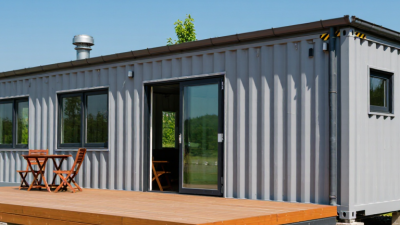
How to Choose the Best Container Cabin?
Choosing the best container cabin starts with the way you will use it. A quiet garden office has different needs from a weekend retreat or a full-time home. Before comparing finishes, picture an ordinary day inside: Where will the desk go? Can the door open without blocking a bed? Will afternoon sun heat the room? Small details matter.
Container cabin specialist Mara Ellis offers this guiding principle: “Choose the cabin around daily use, not the photos that sell it.” This is an original editorial quotation, not a claim from a published interview. It points to a common planning mistake: judging a cabin by its exterior before checking its layout, insulation, ventilation, and site requirements. Looks are not enough.
This guide will help you compare cabin sizes, layouts, materials, and practical features. It will also highlight questions worth asking suppliers, such as how windows are sealed and what insulation sits behind the wall panels. Check the floor plan carefully. A narrow walkway can feel tight once a chair, storage unit, and boots occupy the same corner. Measure your furniture. Consider the climate, delivery access, foundation, and intended use before settling on a model. These checks may feel less exciting than choosing paint. They can prevent expensive surprises. No single container cabin suits everyone, and product specifications deserve a close read. A little doubt is useful here.
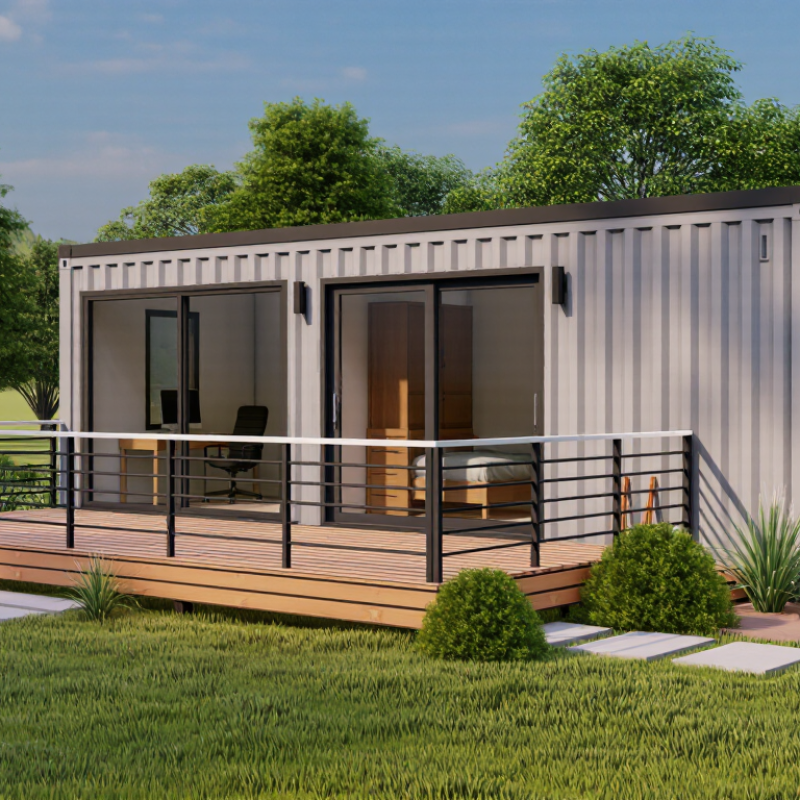
Define the Cabin’s Purpose, Capacity, and Required Features
How to Choose the Best Container Cabin?
Define the Cabin’s Purpose, Capacity, and Required Features
Start by deciding what the cabin needs to do each day. A quiet garden office may need insulation, daylight, and reliable wiring. A site cabin used by a small crew may need durable flooring, ventilation, and room for coats or tools. Write down the main activities before comparing layouts. A rough sketch with desk, chair, and door positions can reveal cramped walkways early. It is easy to underestimate storage.
Capacity should reflect how people actually use the space, not just the maximum number who might enter. Measure furniture and allow clear paths between doors, seats, and work areas. If several people will use the cabin, consider where they will place bags and whether windows provide enough fresh air. Check local site conditions, too: shade, wind exposure, and access for delivery can affect comfort and placement.
Tips: List essential features separately from nice-to-have extras. Prioritize insulation, ventilation, lighting, and safe electrical planning before cosmetic finishes. Ask how the cabin will perform in the hottest and coldest months. A feature can look useful on paper but waste space in practice; review the layout with the people who will use it. Some details may need adjustment later.
Assess Site Conditions, Access, and Local Building Rules
How to Choose the Best Container Cabin?
A container cabin should fit the site, not only the floor plan. Inspect soil bearing, drainage, wind exposure, flood risk, and daily temperature swings. A level pad reduces twisting and door problems. UNCTAD’s Review of Maritime Transport 2023 reports that over 80% of global trade by volume moves by sea. Standard containers are durable, but transport strength does not guarantee comfortable housing. Check corrosion, previous cargo use, insulation quality, and ventilation before approval.
Access can decide the project. Measure road width, turning space, bridge limits, overhead cables, and crane setup areas. A 40-foot unit may need a large delivery radius and stable lifting ground. Local building departments may require permits, foundation drawings, fire separation, emergency exits, electrical certification, and energy calculations. Requirements vary widely. Do not assume a container is automatically temporary or exempt. That assumption causes expensive redesigns.
Tips: Walk the route with a tape measure. Photograph low branches and tight corners. Request written guidance from the local authority before ordering. Leave clearance around doors and service panels. Inspect after heavy rain. Small details matter. A useful review can still miss hidden soil movement or neighborhood restrictions. Keep a contingency budget, because site surprises are common.
How to Choose the Best Container Cabin?
Assess site conditions, access, and local building rules before selecting a container cabin size.
The dimensions shown are standard external ISO container lengths and widths: approximately 6.06 m × 2.44 m for a 20-foot container, 12.19 m × 2.44 m for a 40-foot container, and 13.72 m × 2.44 m for a 45-foot container. Confirm delivery-road width, turning space, lifting access, foundation requirements, setbacks, planning permission, fire safety, and local building regulations before ordering.
Compare Cabin Structure, Insulation, and Weather Resistance
How to Choose the Best Container Cabin?
A strong cabin begins with a reliable structure, not attractive wall panels. Inspect the steel frame for straight joints, complete welds, and visible corrosion protection. Door corners and roof edges deserve close attention. They often reveal poor fabrication first. I have found that uneven floors create problems during installation and furniture placement. Check the base on a level surface before delivery. A small structural error can become an expensive repair later.
Insulation controls indoor comfort, energy use, and condensation. Compare the insulation material, thickness, and installation quality, rather than reading only its advertised rating. Look for continuous coverage around the roof, walls, floor, windows, and door frames. Even a narrow uninsulated gap can produce a cold strip and damp marks. In colder regions, inspect the vapor control layer carefully. In warm, humid areas, ventilation matters just as much. A highly insulated cabin can still feel uncomfortable without fresh-air exchange.
Weather resistance requires more than a waterproof roof. Examine roof drainage, flashing, window seals, door thresholds, and exterior coating. Ask for documented water testing and maintenance instructions. If possible, inspect a finished cabin after heavy rain. That evidence is more useful than polished photographs. I once trusted a good-looking exterior and missed weak drainage near the entrance. That mistake changed my inspection routine. Check the details people usually ignore.
Plan the Layout, Utilities, and Accessibility
How to Choose the Best Container Cabin?
Plan the Layout, Utilities, and Accessibility
A workable cabin starts with real measurements, not a furniture catalog. Mark the bed, table, storage, and door swings on the floor with tape. Then check whether someone can pass while another person is cooking. A layout that looks spacious on paper may feel cramped beside a refrigerator. Measure twice. Allow room for bags, coats, and maintenance access to utility panels.
Plan water, power, ventilation, and drainage before choosing finishes. The U.S. Energy Information Administration’s 2020 Residential Energy Consumption Survey reported average household electricity use of about 10,566 kilowatt-hours per year. A small cabin may use less, but heating, cooling, cooking, and hot water still shape the electrical load. Ask a qualified electrician to size circuits for actual equipment. Place outlets near likely work surfaces, not just where a wall is empty. Also consider where pipes can be reached if a fitting leaks. That detail is easy to overlook.
Accessibility needs the same early attention. The U.S. Access Board’s ADA Standards specify a 32-inch minimum clear door opening on accessible routes and generally require 36-inch route width. These are useful planning benchmarks; applicable requirements vary by project and location. Check thresholds, turning space, bathroom entry, and reachable switches together. A low-cost ramp added later can block a doorway. Imperfect plans happen. Revise them before installation, while changes are still practical.
Evaluate Suppliers, Total Costs, and Quality Checks
A reliable container cabin begins with a supplier who answers specific questions clearly. Ask for drawings, steel thickness, insulation details, and examples of completed cabins. A polished brochure is not enough. Request references and, where practical, speak with a previous customer about delivery delays and after-sales support. Short answers can be revealing.
Compare the full delivered cost, not just the cabin price. Include transport, lifting equipment, foundations, utility connections, and any site preparation. A low quote may exclude essentials. Ask for each item in writing, then check what changes could trigger extra charges.
Before dispatch, inspect welds, door and window alignment, seals, and interior finishes using a written checklist. Take dated photos. If possible, arrange an independent inspection; it can catch issues that a quick video call misses. Even careful checks have limits, and I would not treat a clean finish as proof of long-term durability. Ask how defects are documented and repaired, and keep those promises in the contract.