

What Are the 2026 Top Study Desk Types?

A Study Desk is no longer just a flat surface with four legs. In 2026, it may need to support online classes, creative work, gaming, reading, and short periods of standing. The desk must adapt to real routines, not attractive product photos.

Industry data points in that direction. Fortune Business Insights reports continued growth in the global standing desk market, driven by workplace wellness and ergonomic awareness. Grand View Research also identifies height-adjustable and space-efficient furniture as important furniture-market segments. These reports usually examine office environments, however, rather than bedrooms or student apartments. That limitation matters.

Small spaces matter.

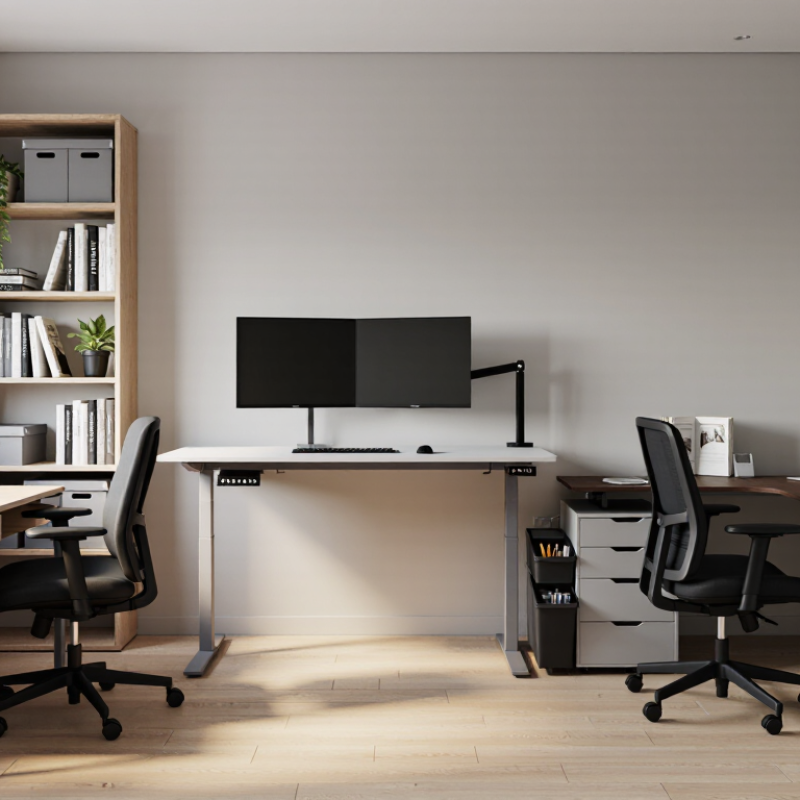
The 2026 leading desk types will likely include electric sit-stand desks, compact writing desks, L-shaped workstation desks, storage-integrated study desks, and modular designs. Each type solves a different problem. An electric frame can change height beside a 27-inch monitor. A narrow desk can fit a 90-centimeter wall. An L-shaped model can separate a laptop from open textbooks. A drawer unit can prevent cables, pens, and notebooks from spreading across the floor.

Ergonomics should guide the choice. OSHA and ANSI/BIFMA guidance emphasize suitable working height, stable construction, and practical user posture. Yet no desk automatically creates healthy habits. A perfect-looking desk can still encourage long, motionless sessions. That is an uncomfortable point, but a useful one. This guide compares the top Study Desk types for 2026 through space efficiency, adjustability, storage, durability, and everyday comfort. The strongest option may not be the most expensive. It may simply fit the user’s room, chair, devices, and imperfect daily schedule.
What Are the 2026 Top Study Desk Types?

What Defines a Modern Study Desk in 2026?

What Are the 2026 Top Study Desk Types?

What Defines a Modern Study Desk in 2026?

A modern study desk is no longer just a flat surface with four legs. It supports posture, changing routines, and limited living space. The leading type is the electric sit-stand desk, which allows students to alternate between seated reading and brief standing sessions. Grand View Research estimates that the global standing desk market could grow at about 7% annually through 2030. That trend reflects a practical need, not only fashionable design.

Compact modular desks are also becoming important. They may include adjustable shelves, cable channels, monitor risers, and foldable worktops. These features help a 120-centimeter desk hold a laptop, notebook, lamp, and water bottle without feeling crowded. The U.S. Occupational Safety and Health Administration recommends neutral wrist positions, suitable monitor height, and adequate legroom. A modern desk should make those adjustments easy.

Small details matter. A stable frame prevents distracting movement during writing. Rounded edges feel better after long study periods. Some “smart” desks add reminders to change position, but technology does not fix poor planning. That assumption is incomplete. In real rooms, an oversized desk can reduce movement and create clutter. The best 2026 desk type is therefore flexible, space-aware, and adjustable, though users still need to check measurements, chair height, lighting, and daily habits.

Which Study Desk Types Best Fit Different Learning Needs?

In 2026, the best study desk is not necessarily the largest or most advanced. It should match the learner’s tasks, room, and physical habits. An ergonomic desk with adjustable height suits students who alternate between reading, writing, and screen work. A 70–75 cm deep surface can hold a laptop, notebook, and lamp without forcing the screen too close. Rounded edges and stable legs matter more than decorative features. Small detail, major comfort.

For compact bedrooms, a wall-mounted or narrow writing desk preserves walking space. Choose one with a cable opening and at least one drawer for chargers, pens, and papers. Learners who need movement may prefer a sit-stand desk, but frequent adjustment only helps when the controls are easy to reach. A broad computer desk fits coding, design, or research, especially with a separate monitor and document area. For group projects, a modular desk supports shared materials and quick rearrangement.

Different needs deserve different compromises. A younger learner may benefit from adjustable height and visible storage, while an exam candidate may need a quiet, distraction-free surface. Check knee clearance, chair alignment, light direction, and wobble before buying. I often overestimate storage and underestimate depth. That mistake is useful to remember. No desk fixes poor posture, clutter, or long unbroken study sessions. Short breaks still matter.

What Are the 2026 Top Study Desk Types? - Which Study Desk Types Best Fit Different Learning Needs?

Study Desk Type Typical Dimensions Adjustability Space Requirement Best Fit for Learning Needs Main Advantages Potential Limitations
Rectangular Writing Desk
Standard, single-surface desk for everyday study
Approximately 100–140 cm wide × 50–70 cm deep
Common height: 72–76 cm
Usually fixed height; some models include adjustable legs Low to moderate; works well against a wall or beneath a window Best overall choice
Reading, handwriting, general homework, and students who need a simple dedicated workspace
Affordable, easy to position, suitable for most rooms, and provides enough depth for books and a laptop Limited room for multiple monitors or large creative projects
Computer Study Desk
Desk designed around a monitor, keyboard, and computer accessories
Approximately 100–160 cm wide × 60–80 cm deep
Height is generally 72–76 cm
Usually fixed height; monitor shelves or keyboard trays may be included Moderate; requires cable access and sufficient depth for viewing distance Best for digital learning
Online classes, coding, research, digital note-taking, and computer-based coursework
Dedicated equipment space, useful cable-management features, and comfortable room for a keyboard and monitor Can encourage prolonged sitting and may offer less open writing space
L-Shaped Corner Desk
Two connected work surfaces arranged at a right angle
Approximately 120–180 cm per side × 50–70 cm deep
Height is commonly 72–76 cm
Usually fixed height; reversible configurations are available Moderate to high; needs a suitable corner and clear legroom Best for multitasking
Students who combine textbooks, a computer, art materials, or multiple simultaneous assignments
Separates activities into zones and provides a large usable surface without requiring a fully central desk position More difficult to move and may not fit narrow rooms or shared bedrooms
Sit-Stand Desk
Electrically or manually height-adjustable desk for alternating positions
Approximately 110–160 cm wide × 60–80 cm deep
Height range often about 70–120 cm, depending on the frame
High; supports seated and standing work Moderate; requires overhead clearance and stable floor space Best for posture variation
Learners who prefer changing positions during long study sessions or who share a desk with users of different heights
Flexible working height, supports position changes, and can accommodate both seated and standing activities Usually costs more, weighs more, and requires careful setup to prevent monitor or cable movement
Height-Adjustable Student Desk
Compact desk with a manually adjustable frame or legs
Approximately 80–120 cm wide × 50–70 cm deep
Height range commonly about 55–80 cm
Medium to high; designed to match different users or growth stages Low to moderate; suitable for bedrooms, study corners, and shared spaces Best for growing learners
Children, teenagers, shared study areas, and households needing one desk for different users
Improves fit across age groups, supports ergonomic setup, and can remain useful as the student grows Manual adjustment may take time, and smaller surfaces may not suit advanced equipment
Wall-Mounted Floating Desk
Desk surface fixed directly to a wall, often with foldable or compact storage
Approximately 60–120 cm wide × 40–60 cm deep
Height depends on installation
Usually fixed after installation; some designs fold away Very low floor footprint; wall strength and mounting position are important Best for small rooms
Light reading, laptop work, homework, and homes where floor space is limited
Saves floor space, creates a visually clean workspace, and can be folded or cleared when not in use Installation is required and the shallow surface may be unsuitable for large monitors or extensive materials
Writing and Drawing Desk
Broad, relatively deep surface optimized for paper-based or creative work
Approximately 100–160 cm wide × 60–90 cm deep
Height is generally 72–76 cm
Usually fixed height; tilting surfaces are available on some designs Moderate; needs enough clearance for chair movement and materials Best for creative study
Drawing, design, drafting, handwriting, music practice with sheet music, and project-based learning
Generous open surface, comfortable paper layout, and fewer built-in obstructions than computer-focused desks May provide limited cable management and can occupy more depth than a basic writing desk
Mobile Study Desk
Compact desk equipped with lockable casters for flexible placement
Approximately 80–120 cm wide × 45–65 cm deep
Height is commonly 70–76 cm
Usually fixed height; some models offer manual height adjustment Low to moderate; requires a clear path for movement Best for flexible learning
Shared rooms, collaborative study, hybrid learning, and users who change locations frequently
Easy to reposition, supports room reconfiguration, and can move between individual and group activities Casters may reduce stability on uneven floors, and the smaller work surface limits equipment capacity
Compact Lap or Side Table Desk
Small portable surface for short sessions or informal study
Approximately 50–80 cm wide × 35–55 cm deep
Height varies by design
Often fixed; folding legs or tilt features may be included Very low; can be stored when not in use Best for occasional use
Short reading sessions, light laptop work, revision cards, and temporary study areas
Portable, inexpensive, easy to store, and useful where a permanent desk is not practical Limited ergonomics, storage, legroom, and surface area make it unsuitable for long daily sessions

Dimensions are typical planning ranges rather than fixed standards. For a comfortable setup, desk height should match the user, the chair, and the equipment; monitor position, clear legroom, and adequate lighting should also be considered.

How Do Smart Desks Improve Focus, Comfort, and Organization?

In 2026, leading study desks will respond to real habits, not merely look modern. Height-adjustable desks support posture changes during long reading or writing sessions. Compact modular desks can add drawers, shelves, or monitor stands as needs change. A stable frame matters more than flashy controls. When my shoulders tighten, raising the surface for ten minutes often makes reading feel less tiring. Still, a desk cannot repair poor sleep or constant phone checking.

Smart desks improve focus through timers, posture reminders, lighting controls, and built-in cable management. These features reduce small interruptions when notebooks, chargers, and headphones compete for limited space. A divided desktop gives each tool a visible place, making homework easier to begin. Some systems suggest breaks, but alerts can become another distraction. I sometimes ignore them. The routine remains imperfect.

For comfort, choose a surface deep enough for a book, keyboard, and forearms without crowding the screen. Rounded edges, quiet motors, and adjustable monitor height may reduce pressure on wrists, neck, and eyes. Practical ergonomic guidance supports changing positions regularly, although individual needs differ. Students with pain or medical concerns should seek qualified professional advice instead of trusting desk data alone. My own desk still collects loose papers. Organization takes more than technology.

What Are the 2026 Top Study Desk Types?

Smart sit-stand desks provide the widest height range and strongest support for changing posture, while L-shaped desks offer the most workspace. Compact and wall-mounted desks prioritize space efficiency.

Comparison uses representative, non-brand specifications commonly found across each desk category: desktop area, height-adjustment range, cable-management capacity, and integrated storage. Larger values indicate more physical capacity, not a laboratory focus score.

What Materials and Features Matter When Choosing a Study Desk?

What Are the 2026 Top Study Desk Types?

Materials and features matter more than fashionable shapes when choosing a study desk. A 2026 desk should match the room, posture, and daily workload. Height-adjustable desks are increasingly practical because users can alternate between sitting and standing.

A 2022 Cochrane review found that sit-stand workstations reduced sitting time by about 30 minutes daily in the short term. That is useful, though not a miracle.

Measure the room first. A desk between 120 and 140 centimeters wide usually supports a laptop, notebook, and task lamp without feeling crowded.

Solid wood offers repairability and visual warmth, while powder-coated steel improves frame strength. High-quality engineered wood can also work, but damaged edges may swell near drinks or damp walls. Materials matter.

Indoor air quality deserves attention. The U.S. Environmental Protection Agency reports that indoor pollutant levels can be two to five times higher than outdoor levels. Choose low-emission panels, sealed surfaces, and finishes with reliable emissions testing.

Look for rounded edges, cable management, and a stable rear frame. BIFMA’s X5.5 desk standard provides useful guidance for strength and stability, although certification alone does not guarantee comfort.

I still catch myself buying attractive desks with shallow surfaces. That mistake creates cramped wrists and scattered papers.

Avoid glossy tops if reflections strain your eyes. A modest, adjustable, durable desk often performs better than an expensive desk filled with distracting features.

How Can You Match a Study Desk to Your Space and Budget?

What Are the 2026 Top Study Desk Types?

Choosing a study desk starts with the room, not the trend. For a narrow bedroom, a wall-mounted or compact writing desk preserves walking space. For shared rooms, a modular desk with adjustable shelves can separate books, screens, and stationery. A corner desk uses awkward angles well, but its deep surface may overwhelm a small room. Measure the chair clearance, drawer swing, and cable route before buying. I learned this the hard way.

Budget also changes the best choice. A fixed writing desk usually costs less and has fewer parts to fail. An adjustable standing desk offers flexible posture changes, but its motor and frame raise the price. Grand View Research estimates that the global standing desk market reached about 7 billion U.S. dollars in 2023, with continued growth expected through 2030. That growth reflects demand, not proof that every student needs one. The American Academy of Pediatrics recommends comfortable, supportive study setups, yet comfort depends on fit and daily habits.

Think in layers. Spend first on a stable surface and a suitable chair. Add height adjustment only when you will use it. For a tight budget, a 100–120 centimeter desk, monitor riser, and cable tray may outperform a larger executive-style model. Houzz’s 2024 U.S. Houzz & Home Study reported continued investment in dedicated home work areas, but many households still balance space and renovation costs. A desk can look impressive online. It may still feel cramped at 8 p.m.

Go to Top