Top 10 Shipping Container Kitchen Designs for Your Next Project?
Shipping container kitchens are gaining popularity for good reasons. They offer a unique twist on traditional design. This trend combines sustainability with modern style, creating functional spaces with character. More than just a simple kitchen, these designs harness creativity.
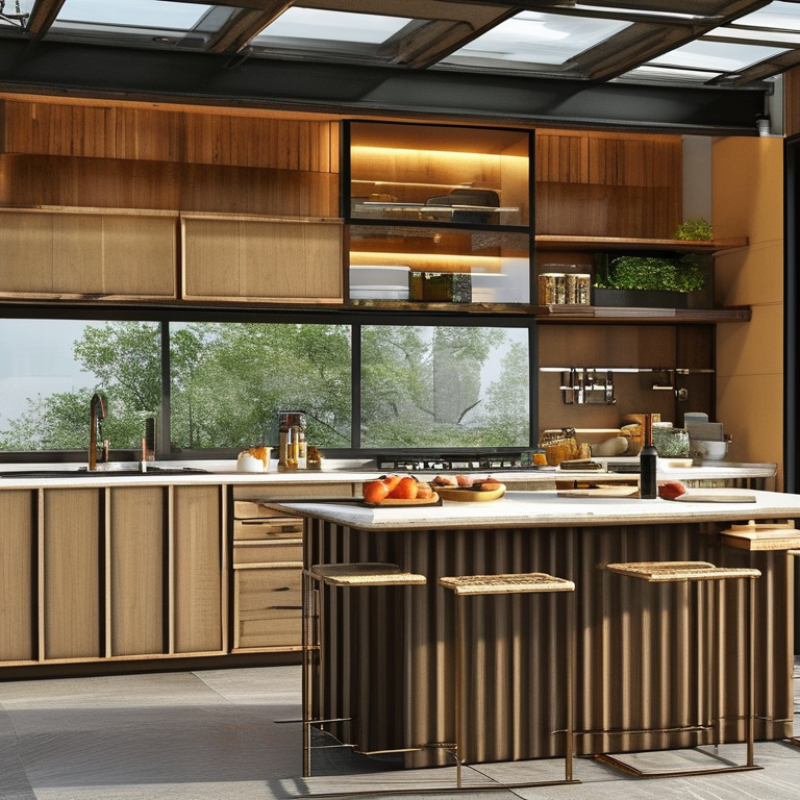
Imagine a cozy container kitchen with large windows letting in natural light. Modular furniture can be moved to suit different cooking needs. However, many people overlook the importance of proper insulation. Without it, your kitchen could become too hot in summer and too cold in winter.
Moreover, the layout is crucial. An ergonomic design can make all the difference. While it can be tempting to prioritize aesthetics, efficiency should not be dismissed. Finding that balance is key in any shipping container kitchen project.
Top 10 Shipping Container Kitchen Designs for Your Next Project
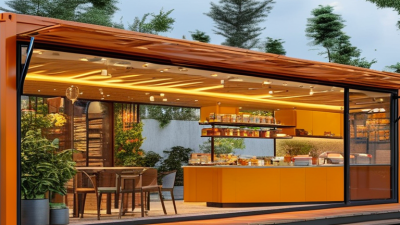
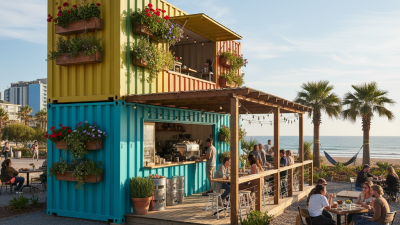
Shipping container kitchens are gaining popularity for their unique charm and versatility. These designs can suit various aesthetics, from rustic to modern. Using repurposed materials adds a sustainable touch that many homeowners appreciate. The vibrant colors of container exteriors can create an eye-catching statement. Choosing the right layout is crucial; an L-shaped design maximizes space while ensuring functionality.
One design flaw to avoid is neglecting proper insulation. Without it, temperature control becomes a challenge, affecting the kitchen's usability. Also, consider the plumbing—ensuring smooth water flow can make or break your cooking experience. Outdoor settings with views can enhance ambiance. Yet, attention to natural light is vital; it can make a small space feel larger.
A well-thought-out container kitchen includes clever storage solutions. Floating shelves and pull-out drawers create room for essential items. However, it's essential to balance open space with storage; overcrowding can lead to a cramped feeling. Incorporating eco-friendly appliances can also elevate the kitchen's appeal while being energy-efficient. These designs invite creativity, allowing for personalized touches that reflect individual taste.
Innovative Container Kitchen Layouts: Maximizing Space and Functionality
Shipping container kitchens are gaining traction for their innovative layouts and practical efficiency. These designs are versatile, allowing for a range of functionalities while maximizing available space. According to a recent report from the Container Coalition, more than 30% of new kitchen developments incorporate modular designs to enhance flexibility and utility. This trend reflects a growing preference for adaptive spaces, particularly in urban settings where square footage is at a premium.
One of the key aspects of effective container kitchen design is the layout. Open-concept spaces encourage interaction, fostering a communal atmosphere. Utilizing vertical storage solutions can further optimize limited space. Research indicates that 78% of small kitchen users feel more efficient when they can access everything at arm’s reach. However, striking a balance can be tricky. Some designs may overlook essential workflow principles, leading to cramped cooking experiences.
Creativity plays an important role in container kitchens. Unique configurations, such as incorporating movable islands or foldable tables, can significantly enhance functionality. However, not all experimentation results in practicality. Some may find that overly complex designs complicate daily use. Reassessing how space is utilized can uncover hidden potential, allowing kitchen owners to refine their layout for better livability. Emphasizing both aesthetics and usability is crucial in achieving not just a stylish kitchen, but a truly functional one.
Top 10 Shipping Container Kitchen Designs for Your Next Project
Sustainable Materials in Shipping Container Kitchen Designs: Eco-Friendly Choices
Sustainable materials play a crucial role in shipping container kitchen designs. Using eco-friendly choices reduces the environmental impact significantly. One option is reclaimed wood for cabinetry. This adds character while minimizing waste. Bamboo countertops are another excellent choice. They are durable, renewable, and visually appealing.
Recycled metal can be used for fixtures and fittings. This reinforces the theme of sustainability. Choosing non-toxic paints and finishes is essential too. These materials enhance air quality, contributing to a healthier kitchen environment. However, sourcing these materials may require more effort.
Budget constraints could limit access to high-quality sustainable options. It's important to weigh aesthetics against practicality. Sometimes, an eco-friendly choice may not always be the most affordable. Being mindful of these factors can help in creating a balanced design that fulfills environmental goals.
Key Design Elements: Modern Aesthetics vs. Functional Efficiency in Kitchens
Shipping container kitchens are increasingly popular for their unique blend of modern aesthetics and functional efficiency. A recent industry report indicated that the prefabricated kitchen sector is projected to grow by 8.5% annually, driven by rising consumer demand for customizable solutions. This growth reflects a shift in how we perceive kitchen spaces, especially in urban environments where space is limited.
In designing these kitchens, it is crucial to balance modern elements with practical usability. Key design elements include open layouts to enhance workflow and integrated storage solutions to maximize space. These kitchens often feature natural materials combined with sleek finishes, creating a harmonious yet functional environment. However, achieving this balance can be challenging; overemphasizing aesthetics can lead to compromises in functionality.
Moreover, energy efficiency remains a significant consideration in shipping container kitchen designs. According to the U.S. Department of Energy, implementing energy-efficient appliances can reduce energy costs by up to 30%. This not only contributes to sustainability but also adds long-term value to the design. Nevertheless, many new designers overlook these practical aspects in favor of trendy equipment, which may not be the most efficient choice. Balancing visual appeal with functional elements requires thoughtful consideration and a willingness to adapt.
Cost Analysis: Investing in Shipping Container Kitchens Compared to Traditional Styles
Shipping container kitchens have been gaining popularity due to their unique design and cost-effectiveness. A standard shipping container offers great flexibility, with substantial space for customization. However, not all designs are created equal. The initial investment can be lower than traditional kitchens, but hidden costs may arise. Consider the need for insulation, plumbing, and utilities. These factors can inflate the overall budget unexpectedly.
When comparing costs, traditional kitchen constructions often involve higher labor fees and longer build times. Shipping containers can be assembled quickly, which saves time. Yet, there is often a learning curve involved for contractors unfamiliar with container modifications. This makes it essential to hire skilled professionals for proper installation.
These kitchens can be eco-friendly, utilizing recycled materials. However, sourcing containers in good condition may be challenging. A well-designed kitchen can prove to be a smart investment, but it requires careful planning. Future maintenance is another consideration. Box-style kitchens may need regular updates as design trends evolve. While shipping containers offer a budget-friendly alternative, the long-term effects on aesthetics and functionality must be acknowledged.
Top 10 Shipping Container Kitchen Designs for Your Next Project
| Design Style |
Container Size (sq ft) |
Estimated Cost ($) |
Traditional Kitchen Cost ($) |
Sustainability Rating (1-5) |
| Modern Minimalist |
160 |
25,000 |
30,000 |
4 |
| Rustic Charm |
160 |
27,000 |
32,000 |
5 |
| Industrial Chic |
160 |
30,000 |
35,000 |
4 |
| Contemporary Open |
320 |
50,000 |
60,000 |
3 |
| Eco-Friendly Retreat |
160 |
24,000 |
28,000 |
5 |
| Coastal Vibes |
160 |
26,000 |
31,000 |
4 |
| Vintage Style |
160 |
28,000 |
33,000 |
3 |
| Farmhouse Kitchen |
320 |
45,000 |
55,000 |
4 |
| Urban Loft |
160 |
29,000 |
34,000 |
3 |
| Luxury Container |
320 |
65,000 |
75,000 |
2 |
Conclusion
The article "Top 10 Shipping Container Kitchen Designs for Your Next Project" explores innovative layouts and design elements that make shipping container kitchens both functional and aesthetically pleasing. By focusing on maximizing space and incorporating sustainable materials, these kitchens offer eco-friendly options for modern living. The discussion highlights key design aspects, balancing modern aesthetics with practical efficiency, showcasing how shipping container kitchens can be tailored to meet various needs.
Additionally, a cost analysis compares these unique kitchens to traditional styles, revealing the investment potential and value they can bring. Real-world examples demonstrate successful implementations, providing inspiration for future projects and proving that shipping container kitchens can be both beautiful and practical in any setting.