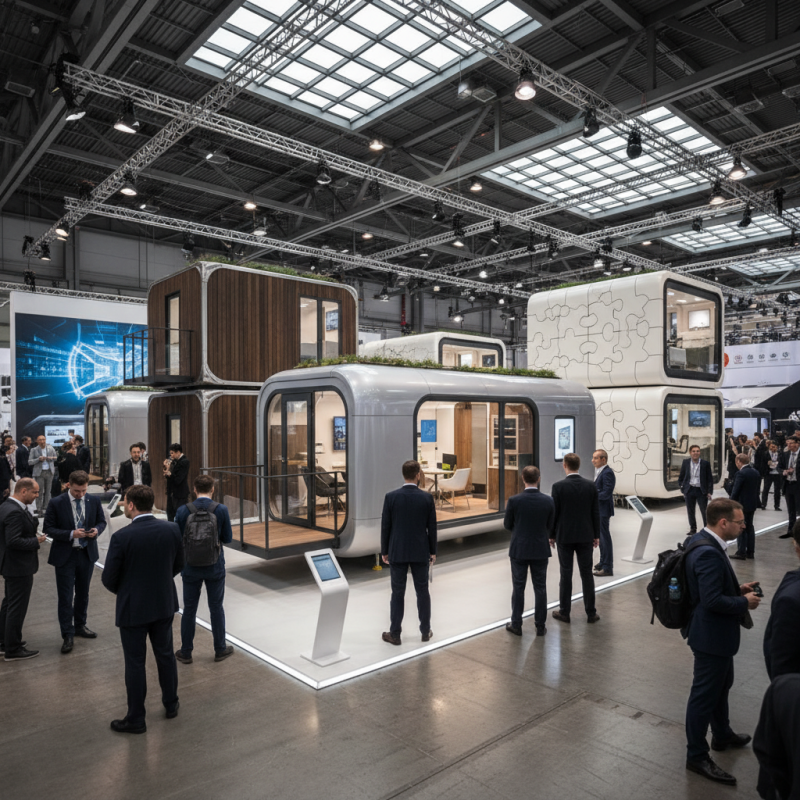
What is a Modular Capsule House at the 139th Canton Fair?
At the 139th Canton Fair, the spotlight will shine on the innovative "Modular Capsule House." This concept represents a shift in modern living. Designed for efficiency, these capsule houses maximize space and provide essential amenities. The fair will showcase various prototypes, highlighting architectural creativity.
Buyers will appreciate the practicality of these structures. They cater to diverse needs, from temporary housing to eco-friendly living solutions. The challenge remains in balancing aesthetics and functionality. Each unit's design must align with sustainability goals while remaining affordable.
During the event, AI smart search tools enhance the experience. Attendees can easily find suppliers specializing in modular designs. Yet, as this trend grows, the industry must address potential downsides. Modular Capsule Houses could impact traditional housing markets. The need for thoughtful integration into communities is critical.
Definition and Concept of Modular Capsule Houses
Modular capsule houses are innovative living solutions showcased at the 139th Canton Fair. These houses combine functionality with modern design. They are prefabricated structures that can be easily transported and assembled. Designed to maximize space, they offer essential amenities in a compact format. This makes them ideal for urban settings and temporary living situations.
The concept revolves around sustainability. Each module is designed for energy efficiency. Often, they incorporate eco-friendly materials. However, the practicality of living in such a small space can present challenges. Not everyone may adapt easily to minimalist living. Potential residents should reflect on their personal needs and lifestyle choices. The industry is continuously evolving, and there is room for improvement in functionality and comfort within these capsule homes. A balance between design and livability must be achieved for wider acceptance.
Modular Capsule House Features Comparison
Key Features of Modular Capsule Houses at the Canton Fair
At the 139th Canton Fair, modular capsule houses take center stage. These innovative living units are compact yet remarkably functional. Designed with sustainability in mind, they use eco-friendly materials. Their portable nature makes them ideal for urban environments, especially where space is a premium.
Key features include lightweight construction and easy assembly. Most models can be set up within hours, appealing to those seeking quick housing solutions. These capsule houses often feature energy-efficient systems. Some have integrated solar panels for self-sufficiency. However, concerns about limited space and lack of privacy arise. The interiors may feel cramped for some occupants.
Customization options are available, allowing buyers to personalize their units. Color schemes and layouts can be tailored to fit different tastes. Yet, not all designs address the comfort needs of residents. The balance between minimalism and livability is a topic for further exploration. As the concept evolves, these capsule houses may redefine modern living in urban settings.
What is a Modular Capsule House at the 139th Canton Fair? - Key Features of Modular Capsule Houses at the Canton Fair
| Feature | Description | Dimensions (L x W x H) | Materials Used | Target Use |
| Compact Design | Space-efficient design tailored for urban living. | 3m x 2.5m x 2.5m | Steel frame, insulated panels | Residential, temporary housing |
| Sustainable Features | Utilizes eco-friendly materials and energy-efficient technologies. | 4m x 3m x 3m | Recycled materials, solar panels | Eco-tourism, off-grid living |
| Customizable Layouts | Flexible interior designs allowing personal customization. | 5m x 4m x 3m | Composite materials, wood finishes | Hotels, guesthouses |
| Quick Assembly | Designed for rapid setup and dismantling. | 6m x 2.5m x 3m | Aluminum, durable plastics | Events, temporary exhibitions |
Advantages of Modular Capsule Houses for Urban Living
Modular capsule houses are gaining attention, especially at events like the 139th Canton Fair. These innovative homes are designed for urban living. They are compact, efficient, and sustainable. Ideal for modern city dwellers, these structures maximize limited space. Their modular nature allows for quick assembly and customization based on individual needs.
One major advantage of modular capsule houses is their affordability. They often cost less than traditional housing, making home ownership more achievable for many. Another benefit is their environmental impact. These houses use sustainable materials and reduce construction waste. However, there are challenges. Space can be cramped, and privacy might be limited in a shared setting.
People may need to rethink their lifestyle. Living in a modular capsule house requires prioritizing essentials. Minimalism might be a struggle for those used to larger spaces. Yet, it can also lead to a simpler, more focused life. Embracing this shift can be refreshing but also daunting. Stakeholders in urban planning should consider these factors as trends evolve.
Innovative Designs Showcased at the 139th Canton Fair
The 139th Canton Fair highlighted innovative designs that push the boundaries of architecture. Among them, the Modular Capsule House caught significant attention. This unique living solution merges practicality and aesthetics, catering to modern urban needs. The rise of urbanization is staggering, with the UN projecting that 68% of the world's population will reside in cities by 2050. Compact housing options are essential.
Modular Capsule Houses are ideal for tight spaces. They are prefabricated, allowing for quicker assembly. Reports suggest that modular construction can reduce project time by 30-50%. These homes often utilize sustainable materials, aligning with the growing demand for eco-friendly living. However, are they truly sustainable? While they minimize waste, the entire lifecycle impact must be examined.
Design flexibility is a significant feature. Homeowners can customize layouts, enhancing personalization. Yet, this flexibility can come with challenges. Designing a modular home requires foresight, and mistakes can lead to costly alterations. As the industry evolves, the balance between innovation and practicality remains fragile.
Sustainability and Environmental Impact of Modular Capsule Houses
Modular capsule houses present a fresh approach to sustainable living. These innovative homes minimize resource waste. They utilize eco-friendly materials effectively. Constructed in a factory setting, they reduce on-site construction waste. This efficiency leads to a smaller carbon footprint. The designs often incorporate renewable energy sources, like solar panels. Natural ventilation is common, enhancing air quality.
However, not every aspect is perfect. The energy efficiency also depends on local climates and usage patterns. Some modular houses may struggle with insulation if not designed carefully. Community acceptance can be a hurdle, too. People may hesitate to embrace unconventional housing. There are concerns about integration into existing neighborhoods. The aesthetics might clash with traditional homes, creating friction.
Investing in modular capsule houses invites reflection. Are we truly ready for this shift in living? Sustainable choices often come with complexities that require consideration. Balancing innovation with community needs can be challenging. As we explore these options, the impact on our environment is crucial. We must strive for designs that benefit both nature and society.