Is Hdpe Cutting Board Material Safe and Durable for Food Use?
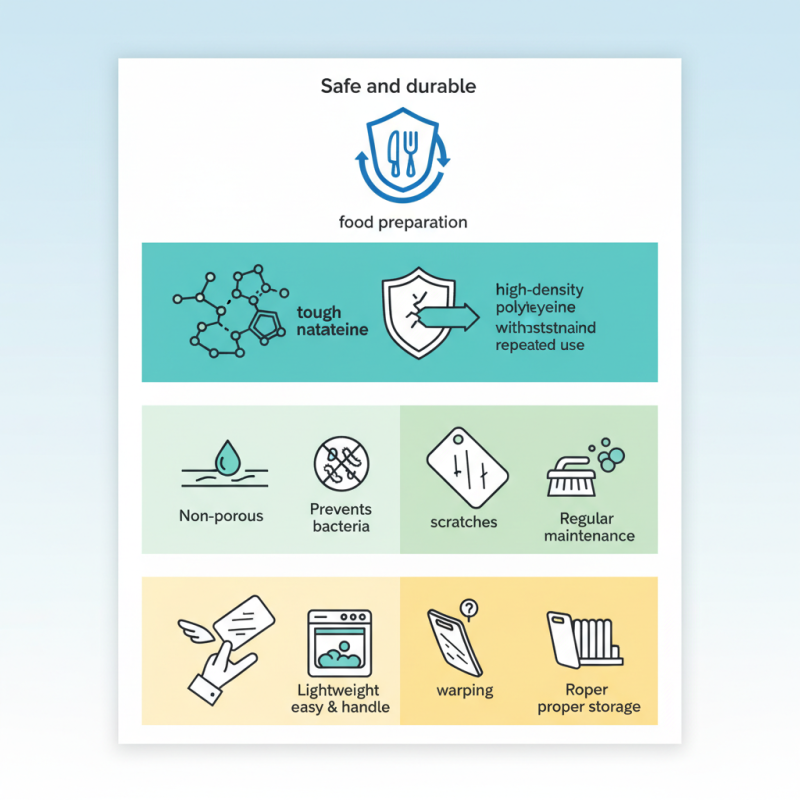
When it comes to food preparation, safety and durability are paramount. Many chefs and home cooks choose Hdpe Cutting Board Material for its unique properties. HDPE, or high-density polyethylene, is known for its tough nature. It can withstand repeated use without easily cracking or getting damaged. This makes it a popular choice in commercial kitchens as well as in many households.
One significant advantage of HDPE cutting boards is their non-porous surface. This feature prevents bacteria from penetrating the material. However, some users worry about scratching over time. Scratches can harbor germs, leading to potential food safety issues. Regular maintenance and proper cleaning can mitigate these concerns.
Moreover, HDPE cutting boards are lightweight and easy to handle. They are often dishwasher safe, which adds to their appeal. Yet, users should consider how they store these boards. Warping can occur if they are not stored correctly. Understanding the properties of HDPE cutting board material can help users make informed choices for safe food preparation.
Overview of HDPE as a Cutting Board Material
HDPE, or high-density polyethylene, has garnered attention as a preferred material for cutting boards. This choice is not only based on its durability but also on its safety for food use. Scientific studies show that HDPE is resistant to bacteria, making it a hygienic option for food preparation. Its non-porous nature prevents moisture absorption, which helps keep harmful microbes at bay.
Moreover, HDPE cutting boards are impact-resistant. They withstand heavy knife use and maintain their integrity over time. According to a report from the USDA, HDPE cutting boards are less likely to harbor bacteria compared to wooden boards. This property makes HDPE an ideal choice for food safety, particularly in commercial kitchens where cleanliness is paramount.
Tip: When using HDPE boards, avoid cutting raw meat on the same surface as vegetables.
Despite its many advantages, HDPE boards can show scratches and cuts with prolonged use. These imperfections can be breeding grounds for bacteria if not maintained properly. Regular cleaning and prompt replacement when heavily damaged are essential to ensure safety.
Tip: Disinfect your HDPE cutting board with vinegar or a mild bleach solution to maintain hygiene.
Safety Features of HDPE Cutting Boards for Food Use
When it comes to safety features, HDPE (High-Density Polyethylene) cutting boards stand out. They are non-porous and resistant to bacteria. This is crucial for food preparation. Unlike wood, HDPE does not absorb liquids. This means fewer chances for harmful bacteria to breed. It also allows for easy cleaning with hot, soapy water or in a dishwasher.
Another key benefit is the durability of HDPE. This material is tough and can withstand knife cuts without significant wear. Unlike some plastics, HDPE does not warp or crack easily. This longevity makes it an economical choice for kitchens. However, it's important to replace boards when they become heavily grooved. Those grooves can trap food particles, posing a health risk.
Tips: Always check for deep scratches. If you see them, consider replacing the board. Regularly sanitize your cutting board after each use. A simple mixture of vinegar and water can effectively kill germs. Keep your cutting board away from raw meats to prevent cross-contamination.
Durability and Longevity of HDPE Cutting Boards
HDPE cutting boards are known for their impressive durability. Made from high-density polyethylene, they can withstand heavy use in kitchens. Unlike wooden boards, HDPE resists deep scratches that can harbor bacteria. This feature makes them a popular choice among food safety experts. Many restaurants opt for these boards due to their resistance to high temperatures and ease of cleaning.
Longevity is another appealing aspect of HDPE cutting boards. They generally last longer than other materials under regular use. However, wear and tear can occur, especially in busy kitchens. Small nicks may develop over time, which could affect cleanliness. Regular maintenance is crucial to ensure their effectiveness. Replacement might be necessary if the cuts deepen significantly.
Some users question whether HDPE could be too soft. While it may not have the same feel as a wooden board, it remains functional. Personal experiences vary; some chefs love its lightweight quality, while others miss the heft of wood. Each material has pros and cons, and careful consideration is essential to select the right one for your needs.
Comparison of HDPE with Other Cutting Board Materials
HDPE, or high-density polyethylene, is a popular choice for cutting boards. Its unique properties make it stand out among other materials. In comparison to wooden boards, HDPE is more resistant to deep cuts, which can harbor bacteria. Research indicates that HDPE has lower bacteria retention than wood, making it a safer option for food preparation. According to a study published in the *Journal of Food Protection*, HDPE boards showed 99.9% reduction in bacteria when properly cleaned.
However, it’s important to recognize that no material is perfect. HDPE cutting boards can develop scratches over time, which may trap food particles. Regular maintenance is essential. This includes washing with hot, soapy water and occasionally sanitizing with a diluted bleach solution. Keep in mind that replacing your cutting board every few years can help maintain food safety.
Tips: Choose HDPE boards with textured surfaces. This feature helps minimize slipping while cutting. Always use separate boards for raw meats and vegetables. Doing so reduces the risk of cross-contamination. Remember, the durability of HDPE does not mean you can overlook proper care.
Durability and Safety Comparison of Cutting Board Materials
This chart compares the durability of various cutting board materials measured in years. HDPE shows the highest durability at 10 years, while glass has the shortest lifespan at 2 years. Understanding these differences can help in selecting the right cutting board for food safety and longevity.
Best Practices for Maintaining HDPE Cutting Boards
Maintaining HDPE cutting boards is crucial for both longevity and food safety. These boards are known for their durability. However, they still require proper care. Start by washing them with hot, soapy water after each use. Rinsing thoroughly is vital to remove any soap residue. Then, air dry or use a clean towel to wipe them down. Lightly sanitizing with a vinegar solution can be beneficial. This step helps eliminate bacteria that may linger.
Over time, you might notice scratches on the surface. These can harbor bacteria if not treated. Regularly inspect your board and consider sanding it down as needed. This practice can refresh the surface and extend its life. It’s also essential to store your cutting board in a clean, dry place. Avoid stacking it with other boards, which can lead to scratches. While HDPE is resilient, taking these small steps shows a commitment to food safety and board maintenance. Remember, a dedicated approach to care reflects your commitment to safe food practices.
Is Hdpe Cutting Board Material Safe and Durable for Food Use? - Best Practices for Maintaining HDPE Cutting Boards
| Property | Description | Best Practice for Maintenance |
| Material Safety | HDPE is food-safe and resistant to bacteria growth. | Use hot, soapy water for cleaning. Avoid harsh chemicals. |
| Durability | Highly durable and can withstand heavy use without warping. | Store in a dry area and avoid exposure to extreme temperatures. |
| Knife Friendliness | Gentle on knife edges, minimizing dulling. | Use appropriate knives to prolong the life of the board. |
| Odor Resistance | Does not retain odors from foods. | Rinse with vinegar to further remove odors if needed. |
| Stain Resistance | Resistant to most stains, making it easy to clean. | Clean immediately after use and use baking soda for tough stains. |