How to Find Free Shipping Containers for Your Business Needs?
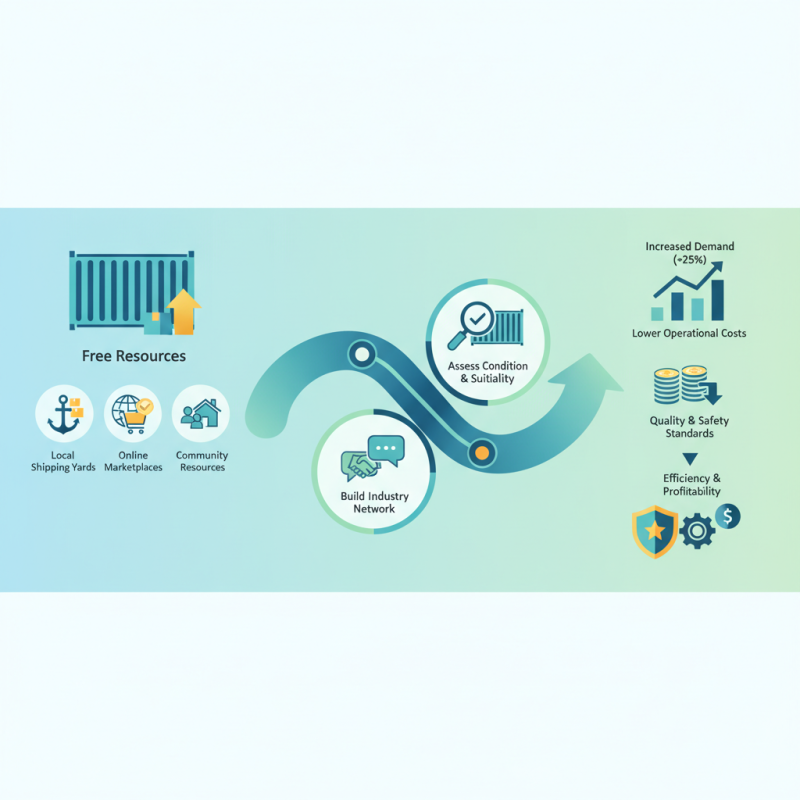
Finding free shipping containers can be a game-changer for businesses seeking cost-effective solutions. According to industry reports, the demand for shipping containers has surged by 25% in recent years. This increase underscores the necessity for savvy entrepreneurs to tap into free resources without compromising quality. “Free shipping containers can significantly lower operational costs,” says Jane Thompson, a logistics expert renowned for her insights in the container supply chain.
While many businesses struggle to find affordable containers, creative sourcing strategies can yield surprising results. Local shipping yards, online marketplaces, and community resources often provide options. However, not all containers are suitable for every use. It’s crucial to assess the condition and suitability before making a decision. Building a network of contacts in the shipping industry can also lead to valuable opportunities for acquiring free containers.
Despite the potential benefits, challenges remain. Many entrepreneurs lack knowledge about where to look, leading to missed opportunities. Ensuring that containers meet safety and storage standards is vital. As Thompson emphasizes, “Navigating the logistics of free shipping containers requires diligence.” Emphasizing quality over quantity can lead to better long-term investments for businesses. Taking the time to explore these resources can ultimately enhance operational efficiency and profitability.
Understanding the Basics of Shipping Containers and Their Uses
Shipping containers are versatile structures, often used in transportation but also transformed into spaces for various needs. Understanding their basics is crucial for businesses considering their use. A standard shipping container measures 20 or 40 feet, providing ample space for storage or conversion projects. They are durable, made from steel, and can withstand harsh weather conditions.
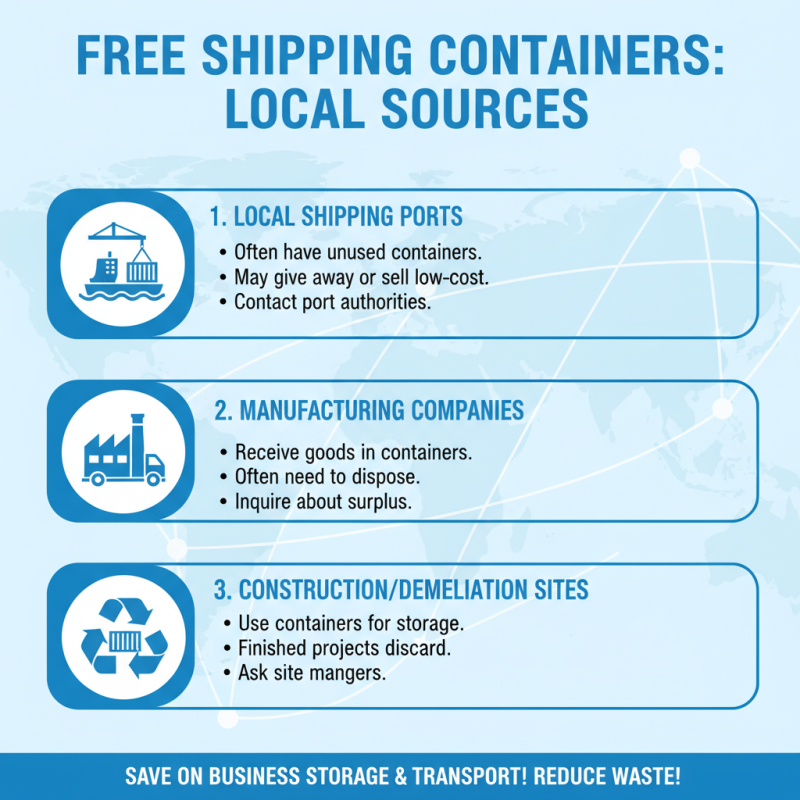
Many entrepreneurs repurpose containers as shops, offices, or homes. Their affordability and durability make them an attractive option. Some communities even organize workshops on container modification, sharing tips and skills. However, finding a free shipping container isn't always straightforward. Availability often depends on local demand and shipping industry shifts.
Exploring local ports, shipping companies, or even online marketplaces can yield results. Networking with businesses that have used containers can provide insights. Yet, be prepared for challenges. Containers may not be in pristine condition. You might need to invest in repairs or modifications. This aspect often leads to unexpected costs. Consider these factors when planning your project. Using shipping containers requires careful thought and flexibility.
Shipping Container Uses and Availability
Evaluating the Condition and Usability of Obtained Containers
When you acquire free shipping containers, evaluating their condition is critical. Start by inspecting for structural integrity. Look for rust, dents, or cracks. A container that appears solid from the outside may have unseen damage. Be thorough in your assessment. Use a flashlight to check corners and under the floor for signs of wear.
Next, consider the usability for your specific business needs. Does the container fit your storage requirements? Measure the interior space. Assess if it needs modifications, such as ventilation or shelving. Small changes can make a big difference. Keep in mind that some containers may require cleaning or repairs. A damaged container might not serve your purpose as intended.
Lastly, think about the potential for repurposing. A container could become a mobile office or a unique retail space. This versatility is appealing, but not every container is suitable for every project. Reflection is essential. Some containers may seem perfect but could demand more time and resources than anticipated. Make informed decisions based on detailed evaluations.
Navigating Legal and Logistical Considerations for Container Use
When considering free shipping containers for your business,
legal and logistical factors play a crucial role. Understanding local zoning laws
is essential, as some areas have restrictions on container placements. Import regulations also require attention,
especially if containers are acquired abroad. According to a recent survey by the Container Management Association,
approximately 15% of businesses faced fines due to non-compliance with
local regulations during container use.
Monitoring your container's condition and ensuring it meets safety standards is vital. Documenting the inspection
history helps maintain accountability. A 2022 industry report indicated that nearly 20%
of container-related incidents arise from neglecting maintenance. This data highlights the importance of
proactive management.
Tips: Regularly assess your container's structural integrity.
Keep a checklist for inspections. Engage with local authorities to stay informed on legal changes.
Clear communication with contractors ensures compliance and smooth operation.
Forming relationships with logistics experts can further enhance your container strategy.
Alternative Options for Low-Cost Shipping Containers and Their Benefits
When looking for low-cost shipping containers, there are various alternative options available. One can consider purchasing used containers. These containers often have minor wear, making them affordable and functional. They can be found through local suppliers or online marketplaces. Another option is renting containers, which may suit businesses with short-term needs. This flexibility can help manage costs effectively.
Repossessed containers present another intriguing possibility. These are often sold at auctions, allowing you to acquire them at a fraction of the retail price. However, ensure that you inspect these containers closely. Issues like rust or damage can affect their usability. Exploring government surplus sales may also yield low-cost options. Often, these containers are still in good condition and offered at competitive prices.
Local shipping companies might offer enticing deals for their overstock containers. Engaging with them could lead to significant savings. Keep an open mind to creative solutions, such as sharing containers with neighboring businesses. This collaboration can reduce fees and foster community ties. While seeking cost-effective shipping containers, consider the long-term impact on your operations. Trustworthy suppliers are essential for sustainable choices.