How to Choose the Right Angle Valve for Your Needs?
Choosing the right Angle Valve is crucial for various applications, from residential plumbing to industrial systems. According to a recent market report by ResearchAndMarkets, the global valve market is expected to reach $100 billion by 2027, with angle valves representing a significant segment. Their ability to control fluid flow makes them vital in managing systems effectively.
Proper selection depends on specific needs. Material choice is essential, with options like brass and stainless steel catering to different environments. A study by Valve Manufacturers Association highlights that over 60% of valve failures stem from improper selection. This showcases the importance of understanding the requirements before making a decision.
Recognizing the unique features of angle valves is necessary. The flow direction and pressure rating are key factors. Unfortunately, many overlook these details, leading to inefficiencies. Understanding these aspects can enhance operational reliability and safety. Reflecting on past selections can guide better choices in the future, ensuring that the right angle valve enhances system performance.
Understanding Different Types of Angle Valves Available in the Market
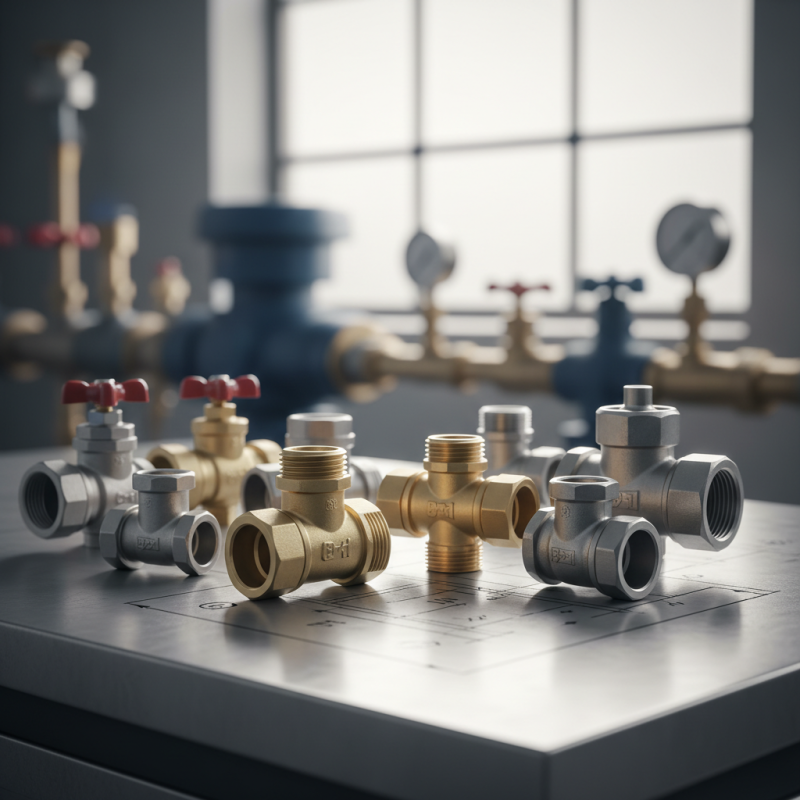
When selecting an angle valve, understanding the types available is crucial. Angle valves generally come in three types: globe, gate, and check valves. Each serves different functions. Globe valves are often used for regulating flow, offering precise control. In contrast, gate valves are ideal for on/off functions. Check valves prevent backflow, maintaining system integrity.
Tips: Assess your system’s specific needs before choosing a valve type. Depending on your application, you might require a valve that can handle high pressure or fluctuating temperatures. Additionally, consider the materials used in the valve. Some may corrode quickly in certain environments, impacting performance.
Another point to reflect on: installation can greatly affect the valve's functionality. Improper installation may lead to leaks or inefficient operation. Always inspect the valve dimensions and compatibility with existing piping. A critical eye can save you from costly errors and ensure long-term reliability in your system.
Comparison of Different Types of Angle Valves
This chart displays the market share of different types of angle valves. Brass and stainless steel valves are the most commonly used, while bronze and PVC valves hold a smaller share of the market.
Identifying the Key Factors to Consider When Choosing an Angle Valve
Choosing the right angle valve for your application is essential. Several key factors can influence your decision. Consider the valve's material. You may prefer brass for its durability or plastic for lighter applications. Each material has unique attributes affecting performance and lifespan.
Next, think about the valve's size. Mismatched sizes can lead to flow issues. Measure the pipe diameter carefully. It's also vital to evaluate the pressure ratings. Not all angle valves can handle high pressures. Check specifications closely to ensure safety and efficiency.
Don’t overlook the valve's design as well. Some designs are more efficient in certain environments. However, complex designs may increase the likelihood of failure. You must weigh the pros and cons. Sometimes, the simplest solution is the best approach. Reflect on your specific needs, and select a valve that balances functionality and reliability.
How to Choose the Right Angle Valve for Your Needs?
| Factor | Description | Importance Level |
| Material | The material of the valve affects durability and compatibility with various fluids. | High |
| Size | Choosing the correct size ensures proper flow rates and system compatibility. | High |
| Pressure Rating | Valves must withstand the pressure of the system to prevent failures. | Critical |
| Connection Type | Different connection types (threaded, flanged, etc.) affect installation and compatibility. | Medium |
| Flow Direction | Understanding flow direction is crucial for valve placement in the system. | High |
| Temperature Range | Ensure the valve can operate within the system's temperature limits. | High |
Evaluating Materials and Durability of Angle Valves for Your Application
When selecting an angle valve, the material and durability are crucial. Common choices include brass, stainless steel, and plastic. Brass offers strength and longevity. However, it may corrode in certain conditions. Stainless steel is highly durable but can be more expensive. Plastic is lightweight and resistant to corrosion but may not withstand high pressure.
Tips: Evaluate the environment of use. For harsh chemicals, opt for chemical-resistant materials. Consider temperature fluctuations that may impact valve performance.
Durability matters. A valve might look robust but can fail under stress. Check manufacturer specifications for pressure ratings. Consult experts if unsure about compatibility. Testing in similar conditions can reveal hidden weaknesses. Always prioritize safety and reliability in your applications. Choosing wisely can prevent costly repairs and downtime.
Assessing Flow Rate and Pressure Requirements for Optimal Performance
Choosing the right angle valve involves understanding flow rate and pressure requirements. This is crucial for optimal performance in various applications. According to industry reports, a valve must match the system’s specifications to ensure efficiency. For instance, an insufficient flow rate can lead to decreased performance and increased energy costs.
Analyzing your system’s flow requirements is essential. A valve that is too small may restrict fluid movement, while a valve that is too large can lead to turbulence. Optimal sizing depends on factors like pipe diameter and fluid type. Research shows that up to 30% of system inefficiencies come from improperly sized valves.
Tips: Consider using a flow meter to obtain accurate data. This will help you make informed decisions. Always consult technical specifications from credible sources. Understand that not every scenario is perfect—re-evaluating your valve choice may be necessary as conditions change.
Installation and Maintenance Tips for Your Selected Angle Valve
When selecting an angle valve, installation and maintenance are crucial. Proper installation ensures longevity. Make sure the valve fits your piping. Use PTFE tape on threads to prevent leaks. Tighten fittings snugly but avoid over-tightening, which can damage the valve.
For maintenance, regularly check for leaks. A small drip can lead to larger issues over time. Clean the valve periodically. Use a soft cloth and mild soap. Inspect for signs of wear. Replace components as necessary to maintain function.
Additionally, familiarize yourself with the valve's operation. Understanding how it controls flow can help you troubleshoot issues. Regularly test the mechanism. A valve that feels stiff may need lubrication. Staying proactive can prevent bigger repairs down the line. Taking these steps ensures your angle valve will serve you well for years.