How to Choose the Best Sea Container for Your Shipping Needs?
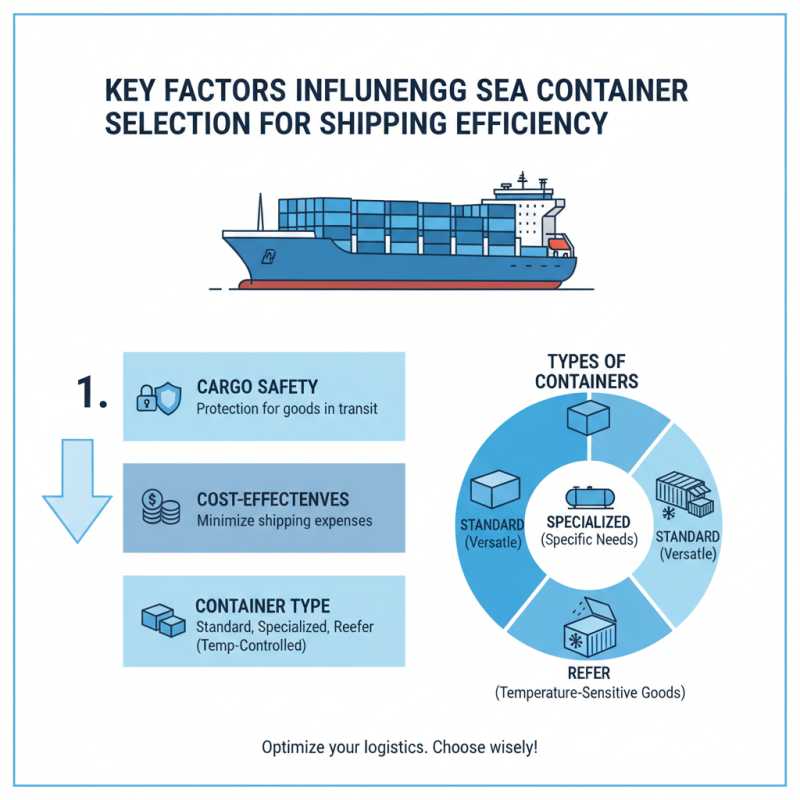
Choosing the right sea container for your shipping needs can be complex. With various types available, decision-making becomes challenging. A sea container is not just a box; it is crucial for protecting your cargo. Factors such as size, type, and condition greatly influence your choice.
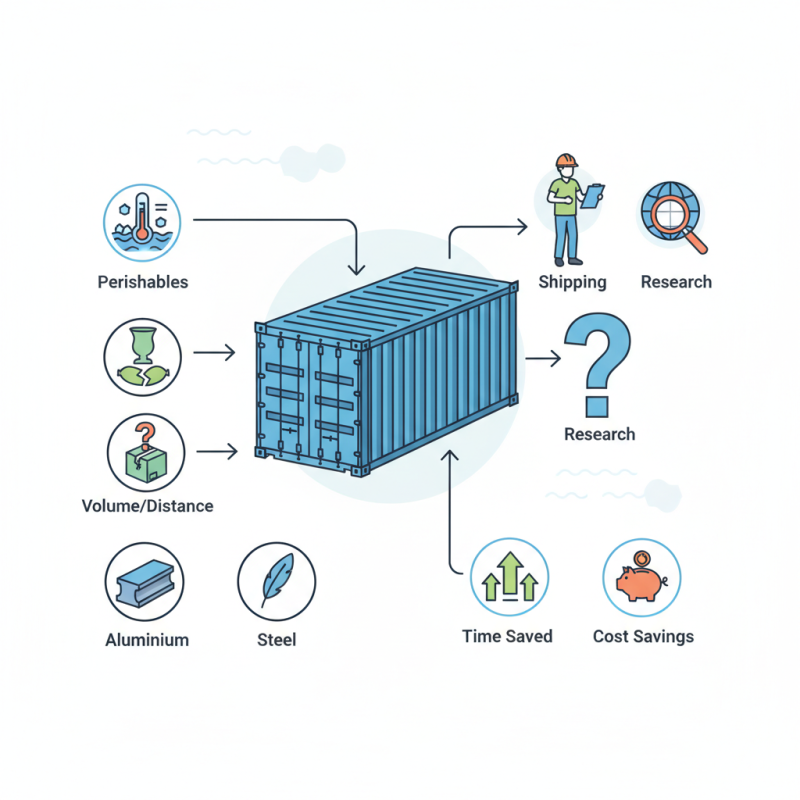
Experience in shipping can simplify this process. Understanding your cargo is essential. Are you shipping perishables? If yes, a refrigerated sea container is necessary. Handling fragile items? Opt for containers with proper cushioning. The container's material also matters. Steel containers are durable, while aluminum offers lightweight options.
Reflecting on your needs is key. What volume of goods are you transporting? How far will they travel? Evaluating these factors helps in making an informed decision. Consider consulting with shipping experts if uncertain. Their insights can greatly enhance your container selection process. Remember, a well-chosen sea container saves time and costs in the long run.
Understanding Different Types of Sea Containers: A Comparative Overview
When selecting a sea container, understanding the types available is crucial. Regular dry containers are the most common. They come in different sizes, typically 20’ and 40’. These containers are standard for general cargo. However, they lack climate control. Therefore, they are not suitable for perishable goods.
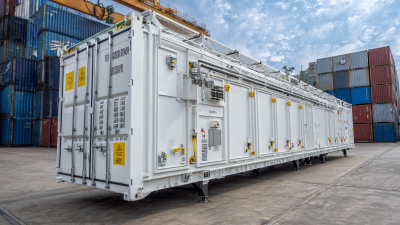
For temperature-sensitive items, consider refrigerated containers, or reefers. They maintain specific temperatures, making them ideal for food and pharmaceuticals. These containers have built-in cooling systems. However, they can be more expensive to operate and may require more maintenance.
Open-top containers are another option. They are designed for taller cargo that cannot fit in standard containers. These containers have a removable top, allowing easy loading. But, securing the cargo properly is essential to avoid damage during transit. Each type has particular strengths and weaknesses, so careful assessment is necessary. Ensure that your choice aligns with your shipping requirements and the nature of your goods.
Comparison of Different Types of Sea Containers
This bar chart illustrates the most common types of sea containers used in shipping, along with their respective capacities and typical uses. Understanding these differences can help you choose the right container for your shipping needs.
Analyzing Container Sizes: TEU and FEU in Global Shipping Metrics
When selecting a sea container, understanding TEU and FEU metrics is crucial. TEU stands for Twenty-foot Equivalent Unit. It represents a standard container size of 20 feet long. On the other hand, FEU refers to Forty-foot Equivalent Unit, which is double the size of a TEU. These measurements help quantify the shipping capacity of a container and the efficiency of logistics.
Most shipping companies use TEUs to calculate cargo volume. A standard 20-foot container can hold about 28,000 liters of goods. However, one might assume that larger containers always offer better value. This isn't always true. Sometimes, shipping costs for FEUs can be significantly higher than expected. This discrepancy can stem from fluctuations in demand and other shipping conditions.
It's also vital to consider your shipping needs. An FEU is often more appropriate for bulk shipping. Yet, smaller shipments might benefit from multiple TEUs. Different routes may favor one option over the other. Evaluating these factors can be challenging. Flexibility and thorough research are essential. Ultimately, each shipping situation will reflect unique requirements and logistics that require careful planning.
How to Choose the Best Sea Container for Your Shipping Needs? - Analyzing Container Sizes: TEU and FEU in Global Shipping Metrics
| Container Type |
Dimensions (L x W x H) |
Volume (CBM) |
Max Payload (KG) |
TEU/FEU Equivalent |
| 20 ft Standard Container |
6.058m x 2.438m x 2.591m |
33.2 |
28,300 |
1 TEU |
| 40 ft Standard Container |
12.192m x 2.438m x 2.591m |
67.7 |
28,800 |
2 TEU |
| 40 ft High Cube Container |
12.192m x 2.438m x 2.896m |
76.4 |
30,480 |
2 TEU |
| 45 ft High Cube Container |
13.716m x 2.438m x 2.896m |
85.0 |
30,480 |
2.5 TEU |
Assessing Container Conditions: New vs. Used Containers for Cost-Effectiveness
When selecting between new and used sea containers, understanding condition is crucial. New containers offer pristine quality and durability. They are often equipped with the latest technology for cargo protection. According to the Container Owners Association, new containers can last an average of 15-20 years with minimal maintenance. However, they come at a premium price, making them less attractive for budget-conscious businesses.
Used containers present a cost-effective alternative. Prices can be up to 50% lower compared to new units. Industry reports indicate that a well-maintained used container can still last a decade or more. However, it’s essential to carefully assess their condition. Look for signs of rust, structural damage, and previous repairs. Some containers may require modifications. You may save money upfront, but repair costs can quickly add up.
Deciding between new and used requires balancing cost and condition. New containers eliminate risks associated with wear and tear. Used containers may have hidden issues needing repairs. Each option comes with its pros and cons. Make an informed choice based on your specific shipping requirements and budget constraints.
Regulatory Compliance and Documentation for Sea Container Shipping
When shipping goods via sea containers, understanding regulatory compliance is vital. Various regulations govern international shipping. Each country has its requirements regarding safety, dimensions, and markings. Failing to adhere can result in delays or costly penalties. It’s essential to familiarize yourself with the specific regulations of both the departure and destination countries.
Documentation is equally important. Essential documents include the bill of lading, commercial invoice, and packing list. These documents provide crucial information for customs clearance. Additionally, some shipments may require certificates, such as phytosanitary or certificates of origin. Ensuring that all paperwork is complete and accurate will smooth the shipping process and prevent unforeseen issues.
Tip: Always check the latest regulations well before shipping. Regulations can change, and staying updated can save you time and money. Remember, it’s better to over-prepare than to scramble at the last minute.
Another tip: consider consulting with a shipping expert. They can help you navigate complex regulations. Even small mistakes can lead to significant delays or fines. Having someone knowledgeable on your side can boost your shipping efficiency.