Why Choose Container Cabins for Your Next Project?
When planning a project, flexibility and efficiency are key. Container cabins offer a unique solution that meets these needs. These structures are not only portable but can also be customized to suit specific requirements.
Container cabins have gained popularity across various industries. Their durability is a significant factor. Built from robust materials, they withstand harsh conditions. However, some may question their aesthetics and comfort levels. It’s essential to weigh both pros and cons to determine if they fit your project.
Investing in a container cabin may provide a cost-effective solution. Yet, one must consider potential downsides. Limited space can be a challenge for larger teams. Understanding these aspects will help in making informed decisions.
Benefits of Using Container Cabins in Construction Projects
Container cabins are becoming a popular choice in the construction industry. They offer
flexibility and speed for various projects. Construction sites often require quick
setup and mobility, both of which container cabins deliver. These units are easy to transport, allowing for a rapid response to project needs.
Their modular nature means they can be expanded for larger operations.
One significant benefit is cost-effectiveness. Container cabins usually require
less investment than traditional structures. This affordability does not compromise quality. They are built from durable materials, ensuring longevity. Many projects can face budget overruns. However, choosing container cabins
can mitigate this risk.
While container cabins are versatile, challenges exist. They may need insulation
for extreme climates. Some workers find the confined spaces uncomfortable. There is also the need for proper site preparation. Despite these
hurdles, the advantages often outweigh the downsides. Embracing this innovative construction method can lead to better efficiency and
productivity. Contractors are encouraged to weigh these factors carefully.
Versatility of Container Cabins for Various Applications
Container cabins are becoming increasingly popular due to their
versatility. They can be adapted for various applications, making them ideal for both commercial and residential
projects. For construction sites, they serve as temporary offices or storage units. Their sturdy structure ensures
that tools and materials are safe from the elements.
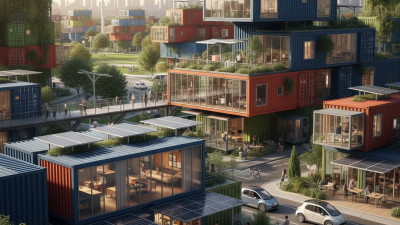
In urban areas, container cabins have evolved into pop-up shops or cafes.
They fit well into bustling cityscapes, attracting customers with unique designs. Their mobility allows for easy
relocation, ideal for businesses testing new markets. However, integrating these cabins into more permanent settings
can pose challenges, such as local regulations or zoning laws.
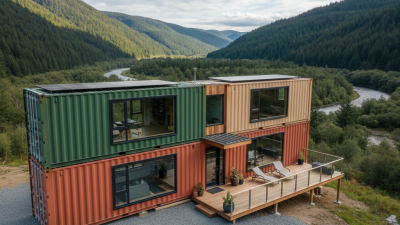
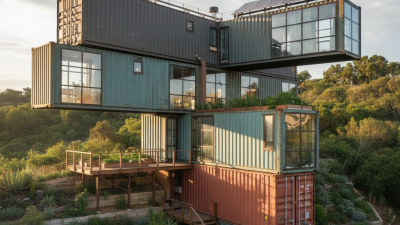
Moreover, container cabins can serve as living spaces, offering a compact solution for housing.
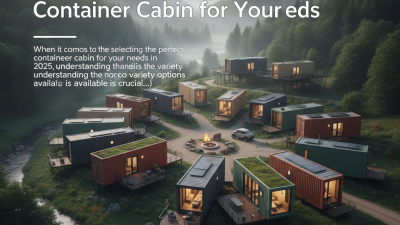
They can be transformed into cozy homes or even eco-friendly chalets. Those seeking sustainable options often
reflect on the energy efficiency these containers can offer. Yet, one must consider insulation and climate control
as potential hurdles. Balancing creative design and functionality is crucial for success in any project.
Cost-Effectiveness of Container Cabins Compared to Traditional Buildings
Container cabins offer a unique solution for various projects, especially when considering cost. Compared to traditional buildings, they require significantly less investment. The materials used in container construction are often more affordable. Additionally, these structures are modular and can be assembled quickly. This speed translates to lower labor costs and faster project completion times.
Another aspect to consider is the versatility of container cabins. They can be customized easily for specific needs. A client might want a cabin for an office, accommodation, or even storage space. This adaptability helps save costs over time since one structure can serve multiple purposes. However, there could be some drawbacks. Depending on local regulations, securing permits may be challenging. Buyers should also keep in mind that insulation and ventilation need careful planning to ensure comfort.
Long-term savings are another significant factor. Container cabins are durable and require less maintenance. They can withstand various environmental conditions better than traditional buildings. However, this is not to say they are perfect. Some designs may not be as aesthetically pleasing without additional modifications. Clients should weigh these considerations carefully, seeking expert advice to navigate potential issues effectively.
Why Choose Container Cabins for Your Next Project? - Cost-Effectiveness of Container Cabins Compared to Traditional Buildings
| Aspect |
Container Cabins |
Traditional Buildings |
| Initial Cost |
$1,500 - $3,000 |
$100 - $200 per square foot |
| Construction Time |
Few days to weeks |
Several months to years |
| Mobility |
High (easily transported) |
Low (fixed structure) |
| Environmental Impact |
Recycled materials |
Natural resources used |
| Customization Options |
Moderate |
High |
| Maintenance Cost |
Low |
High |
Speed of Deployment and Setup of Container Cabins
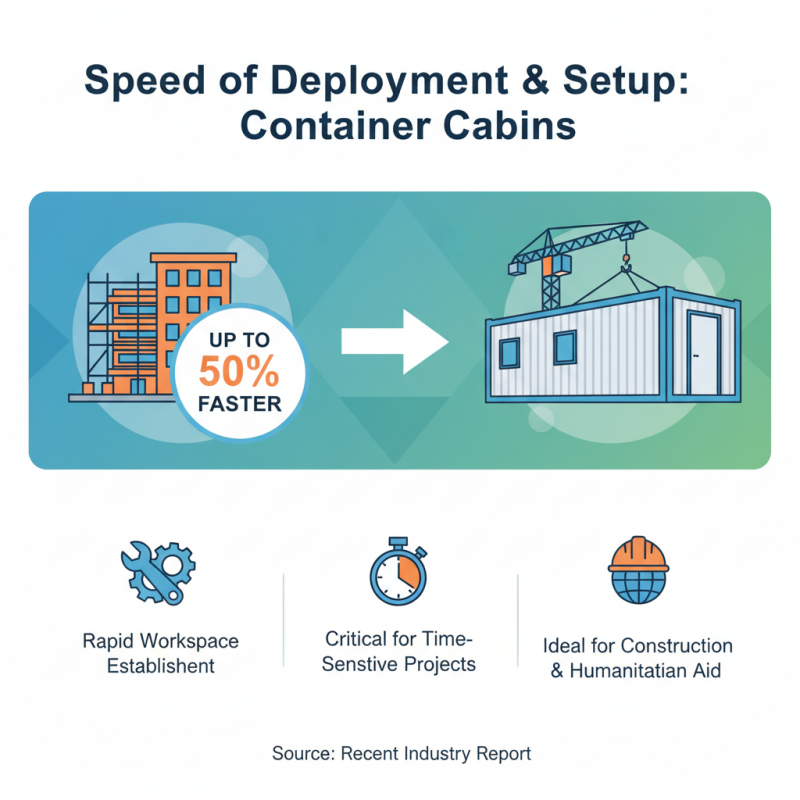
Container cabins have gained traction in various industries for their remarkable speed of deployment and setup. Projects that require rapid establishment of workspace can significantly benefit from these modular structures. According to a recent industry report, container cabins can be assembled up to 50% faster than traditional buildings. This efficiency is particularly valuable in sectors like construction and humanitarian efforts, where time is critical.
Setting up a container cabin often takes mere hours. They require minimal site preparation and can be placed on flat surfaces without extensive foundation work. This translates into reduced labor costs and shorter project timelines. Furthermore, research highlights that companies can save up to 30% on project delivery times with the use of container cabins.
**Tip:** Always check local regulations concerning temporary buildings. Some areas have specific guidelines for container structures. Proper compliance will save time and resources in the long run.
Flexibility is another advantage. Container cabins can be modified easily to meet project demands. If a project expands, these cabins can be reconfigured or additional units added quickly. However, it’s essential to consider the layout and flow of the workspace early in the planning process to avoid costly adjustments later.
**Tip:** Conduct a site visit before deployment. Understanding the terrain helps in planning the setup effectively. This foresight contributes to a seamless transition into your project phase.
Sustainability and Environmental Impact of Container Cabins
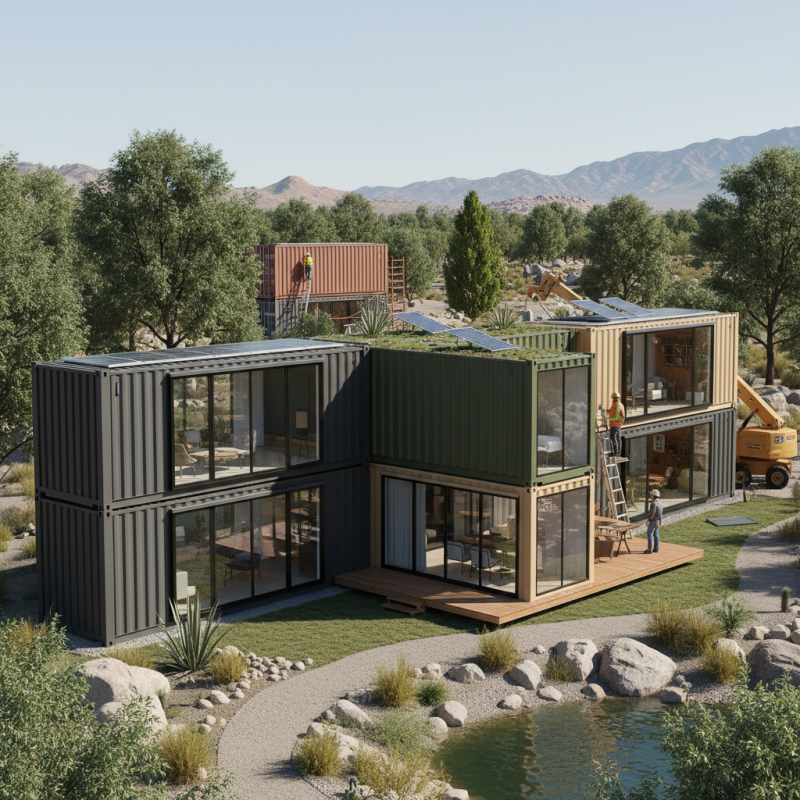
Container cabins present a sustainable building solution. These innovative structures often utilize repurposed shipping containers, which helps reduce waste. By recycling materials, they minimize the need for new resources. This not only conserves energy but also lowers emissions from manufacturing processes.
The environmental benefits extend beyond using recycled materials. Container cabins are often designed to be energy-efficient. Many incorporate insulation, solar panels, or green roofs. This thoughtful approach can significantly lower a project’s carbon footprint. However, it's important to consider local climates. Some areas may need additional insulation, raising concerns about its effectiveness.
Adopting container cabins can reflect a commitment to sustainability. They offer a flexible space solution with minimal environmental impact. Yet, challenges remain, like potential zoning restrictions or perceptions about aesthetics. Engaging with local communities can foster a better understanding of their value. Creating a dialogue around container cabins may change misconceptions and promote acceptance.
Environmental Impact of Container Cabins vs Traditional Construction